
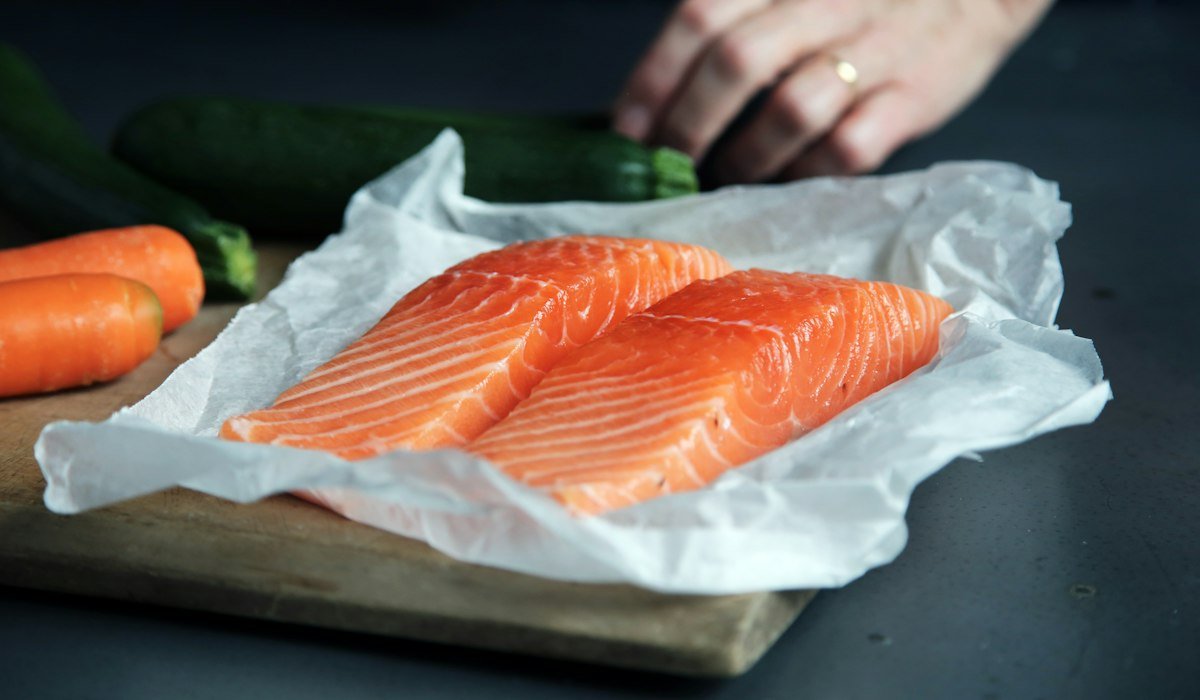
Can you freeze salmon? If you have ever hovered over the seafood counter, tempted by a sale on beautiful salmon fillets but unsure you could cook them all before they spoiled, you are asking exactly the right question. Fresh salmon is one of the most nutritious and versatile foods you can buy — and one of the easiest to waste, because fresh fish keeps for only a day or two in the refrigerator. The good news: freezing salmon is completely safe, and when you wrap it well and freeze it quickly at 0°F (-18°C), it keeps excellent eating quality for months. Whether you are stocking up on a bargain, saving leftovers, or meal-prepping for busy weeks, this guide from 45GoodRoastThatHurt walks you through everything: the short answer, how fresh and cooked salmon differ in the freezer, a step-by-step freezing method, the best wrapping and containers, how long salmon really lasts, the safest ways to thaw it, what to expect for texture, cooking straight from frozen, and how to tell when it has gone too far. Please note this article shares general food-safety information only.
Can You Freeze Salmon? The Short Answer
Yes — you can freeze salmon, and it is one of the best ways to make fresh fish last. Freezing does not make food unsafe; it simply presses pause. As long as salmon is frozen while still fresh and kept continuously at 0°F (-18°C) or below, it remains safe to eat indefinitely from a food-safety standpoint. Quality, not safety, is the real question: for the best flavor and texture, the federal Cold Food Storage Chart lists fatty fish such as salmon at 2 to 3 months in the freezer. Beyond that window the fish is still safe if it stayed frozen solid, but you may notice duller flavor and a drier bite. The rest of this guide shows you how to get the most out of those months.
Freezing Fresh Salmon vs. Cooked Salmon
Both raw and cooked salmon freeze safely, but they behave a little differently once thawed. Knowing what to expect helps you choose the right approach for the fish you have.
Freezing raw (fresh) salmon
Raw salmon is the best candidate for the freezer. Freeze it as soon as possible after purchase — ideally the same day you buy it. If you bought salmon labeled “previously frozen,” you can freeze it again at home only if it was thawed in the refrigerator and never left at room temperature; even then, expect a small loss of texture quality with each freeze-thaw cycle. Whole fillets, individual portions, and salmon steaks all freeze well. The two enemies are air and time: air causes freezer burn, while slow freezing forms large ice crystals that damage the flesh and make it mushy when thawed. Wrap tightly, freeze fast, and raw salmon comes back remarkably close to fresh.
Freezing cooked salmon
Cooked salmon also freezes safely and is a great way to rescue leftovers. Let it cool completely first, getting it into the refrigerator within two hours of cooking, then wrap portions tightly once chilled. Expect a slightly firmer, drier texture after thawing than you would from fish frozen raw — which is why thawed cooked salmon shines in dishes where texture matters less: flaked over salads, folded into pasta, layered in grain bowls, or mashed into salmon cakes. Like raw salmon, cooked salmon keeps its best quality for about 2 to 3 months in the freezer.
How to Freeze Salmon: Step-by-Step Method
The difference between salmon that tastes great after freezing and salmon that tastes like the inside of your freezer comes down to technique. This is the method that protects flavor and texture:

Step 1: Start with the freshest salmon you can
Only freeze fish you would happily cook today. Look for firm, springy flesh, a mild clean ocean smell (never sour or strongly “fishy”), and bright color with no brown or gray edges. If the salmon has already spent three days in the fridge, cook it tonight instead of freezing it — freezing preserves quality but cannot improve it.
Step 2: Portion it before freezing
Cut fillets into the portion sizes you will actually cook later — single fillets or dinner-for-two pieces. Freezing in meal-sized portions means you thaw only what you need, and smaller pieces freeze faster, which keeps ice crystals small and texture firm.
Step 3: Pat dry and wrap tightly
Pat each portion dry with paper towels. Surface moisture turns into ice crystals, so drier is better. Wrap each portion tightly in plastic wrap, pressing out as much air as possible, or use freezer paper with the waxy side against the fish, folding the seams snugly.
Step 4: Add a second airtight layer
Slip the wrapped portions into heavy-duty freezer bags, pressing out the air before sealing — a straw can help draw out the last bit of air. If you own a vacuum sealer, this is its moment to shine: vacuum-sealed fish resists freezer burn better than any other home method. Rigid airtight containers also work, especially for cooked salmon; leave a little headspace if the contents might expand.
Step 5: Label and date every package
Write the contents (“salmon — raw fillets”), the number of portions, and the freeze date on each bag with a permanent marker. All frozen fish looks alike after a month, and labels end the guessing game — and the mystery-bag dinners.
Step 6: Freeze fast at 0°F (-18°C) or below
Spread packages in a single layer so cold air circulates around them, and place them in the coldest part of your freezer. Verify with an appliance thermometer that your freezer holds 0°F (-18°C) or below, and avoid loading a huge batch at once, which slows freezing for everything inside.
Wrapping and Containers: What Works Best
Keeping air away from the fish is the single biggest factor in frozen salmon quality. Air is what causes freezer burn — those dry, discolored patches that taste stale and papery. Here is how the common options compare:
- Plastic wrap plus a freezer bag: inexpensive and effective — two barriers are much better than one.
- Freezer paper: the classic butcher-shop choice; fold it tightly and tape the seams shut.
- Aluminum foil: fine as an outer layer, but it tears easily, so pair it with a bag rather than relying on it alone.
- Vacuum-sealer bags: the gold standard for long-term storage; they remove nearly all the air that causes freezer burn.
- Rigid airtight containers: handy for cooked salmon or salmon in a marinade or sauce; leave a little headspace.
What to avoid: thin sandwich bags, grocery produce bags, or the salmon’s original thin store overwrap on its own. None of them block air well enough for more than a few days, and a single loose layer is an invitation to freezer burn.
How Long Does Salmon Keep in the Freezer?
For the best quality, plan to use frozen salmon within 2 to 3 months — the window the federal Cold Food Storage Chart gives for fatty fish, a group that includes salmon, tuna, and mackerel. Remember the safety-versus-quality distinction: frozen food kept continuously at 0°F stays safe indefinitely, but flavor and texture fade over time. A practical timeline looks like this:
- 0–2 months: nearly indistinguishable from fresh when wrapped well.
- 2–3 months: still very good; the end of the best-quality window.
- 3–6 months: safe to eat, but expect some flavor loss and a drier texture — best used in cooked dishes.
- 6 months and beyond: use only in heavily seasoned preparations such as fish cakes or chowder, or discard it if the quality looks poor.
Cured or smoked salmon (lox) is a different product from fresh fillets, with its own delicate texture and salt cure — follow the package’s storage guidance for those.
How to Thaw Salmon Safely
Thawing matters just as much as freezing. Never thaw salmon on the kitchen counter: at room temperature, bacteria can multiply quickly in the outer layers while the center is still frozen solid. These three methods are safe:

1. In the refrigerator (best method)
Move the sealed frozen salmon to the refrigerator 8 to 12 hours before cooking — overnight for thick fillets. It thaws evenly, stays at a safe temperature the entire time, and once thawed it can rest in the fridge for another 1 to 2 days before you cook it. Set the package on a plate or in a shallow dish to catch drips.
2. In cold water (faster method)
Keep the salmon in its sealed, leak-proof bag and submerge it in cold tap water, changing the water every 30 minutes so it stays cold. A one-pound package typically thaws in about an hour. Cook the fish immediately after thawing — do not put cold-water-thawed salmon back in the fridge for later.
3. In the microwave (last resort)
Use the defrost setting, stopping to flip the fish and separate pieces as they loosen. The thin edges may start to cook before the center thaws, so plan to cook it right away. This is the least gentle method for texture, so save it for genuine weeknight emergencies.
Quality and Texture Changes: What to Expect
Freezing changes fish, even when you do everything right. Water inside the flesh forms ice crystals; the slower the freeze and the longer the storage, the larger the crystals grow and the more cell walls they rupture. Here is what you might notice:
- Slightly softer texture after thawing, especially in fish that froze slowly or stored for many months.
- A little extra liquid (called “drip”) when thawing — simply pat the fillets dry before cooking.
- Muted flavor in long-stored fish; a squeeze of lemon, fresh herbs, or a bold seasoning easily compensates.
- Freezer burn: dry, leathery, grayish-brown patches where air reached the fish. Small spots can be trimmed away; widespread burn means the flavor is gone and the fish is better discarded.
The encouraging news: salmon that was wrapped airtight, frozen quickly, and used within 2 to 3 months cooks up so close to fresh that most home cooks would be hard pressed to tell the difference.
Can You Cook Salmon From Frozen?
Yes — you can cook salmon straight from frozen without thawing it first, and it is a safe method as long as the fish goes directly from the freezer into the heat. Plan on it taking roughly 50 percent longer than thawed fish. A few pointers:
- Baking is the easiest: set frozen fillets on a lined sheet pan, brush with oil, season well, and bake at 425°F (220°C) until the flesh flakes easily with a fork and reaches an internal temperature of 145°F (63°C).
- Skip pan-searing from frozen: the outside tends to overcook before the center catches up — thaw first if you want a crisp sear.
- Do not microwave-cook from frozen: it heats unevenly and ruins the texture.
- Rinse off any ice glaze under cold water and pat the fillets dry before seasoning so spices and oil actually stick.
For step-by-step frozen-seafood cooking techniques, the Alaska Seafood Marketing Institute’s Cook It Frozen guide is a trustworthy reference worth bookmarking.

Signs Frozen Salmon Has Gone Bad
Frozen salmon that stayed at 0°F is safe indefinitely, but quality can decline to the point where it is simply not worth eating. Discard it if you notice any of these:
- Thick ice crystals inside the packaging, or the fish encased in a solid block of ice — signs of thawing and refreezing, or a struggling freezer.
- Large areas of freezer burn: dry, discolored, leathery patches across the flesh.
- Off smells after thawing — sour, ammonia-like, or intensely “fishy” odors. Fresh salmon smells mild and clean.
- Slimy or sticky texture after thawing, or flesh that looks dull gray or yellowed throughout.
- Any package that thawed during a power outage and sat above 40°F (4°C) for more than 2 hours — when in doubt, throw it out.
Freezing preserves fish; it does not improve it. Trust your eyes and nose once the salmon thaws.
Frequently Asked Questions
Can you refreeze thawed salmon?
Only if it was thawed safely in the refrigerator and never left at room temperature. Refreezing is safe, but each freeze-thaw cycle costs texture quality, so it is best avoided when you can plan ahead. Never refreeze salmon that was thawed in cold water or the microwave unless you cook it first.
Can you freeze smoked salmon (lox)?
You can, but its delicate, silky texture suffers more in the freezer than a raw fillet does. Freeze it in small portions, press out the air carefully, and use it relatively quickly — within a month or two for the best quality — thawing overnight in the refrigerator.
Does freezing salmon kill parasites?
Freezing can destroy parasites in fish meant to be eaten raw, but only under strict commercial time-and-temperature conditions that a home freezer cannot reliably reproduce. Do not rely on home freezing to make raw salmon safe to eat raw — buy fish specifically handled for raw consumption if you are making sushi or ceviche at home.
How long can salmon stay in the fridge before freezing?
Not long: fresh salmon keeps only 1 to 2 days in the refrigerator (federal guidance gives fatty fish 1 to 3 days refrigerated). Freeze it as soon as possible — ideally the day you bring it home.
Can you freeze salmon in its store packaging?
Not on its own. The thin overwrap from the fish counter lets air in and invites freezer burn within days. Always rewrap using the double-layer method described above.
Conclusion
So, can you freeze salmon? Absolutely — it is one of the smartest ways to buy good fish on sale, cut down on waste, and keep a healthy dinner waiting in your freezer. Freeze it while it is fresh, wrap it airtight in two layers, label and date every package, keep your freezer at 0°F (-18°C), use it within 2 to 3 months for the best quality, and thaw it safely in the refrigerator. Do that, and your frozen salmon will cook up nearly as good as the day you bought it. For more practical kitchen guides, browse our Food section here at 45GoodRoastThatHurt.

I’m Nova, a skilled AI content writer with 3 years of experience, specializing in heartfelt prayers, Bible messages, and uplifting spiritual content.