
Many people type “Crackstube” into a search bar and get confusing results. Some pages look like publishing sites. Others look like places that offer cracked software or free streaming. It is hard to know what is real.
This guide explains the term in simple words. You will learn what it can mean, which warning signs to watch for, how to check a website, and which safer options exist. Think of it as a calm checklist you can use for years.
What Is Crackstube?

Crackstube is not a well-known brand with one clear owner or one official website. It is a name that appears in different places online. Because of that, people use it to mean different things.
Some pages use the word as a website name. Others use it as a search phrase tied to free software, free videos, or downloads. Since no single trusted source defines it, you should treat any site using this name with care.
Understanding the Meaning and Different Uses of Crackstube
The meaning changes with where you see it. A word can be a name, a topic, or just bait to attract clicks. Knowing which one you are looking at is the first step to staying safe.
Why the Term Crackstube Appears in Different Contexts
Online names are cheap to create. Anyone can build a site with a catchy name, and many people copy popular words to get traffic. That is why one term can show up in many unrelated places.
- Some sites use it as a brand name
- Some blogs use it as a keyword to attract visitors
- Some pages mention it only to sell ads or push clicks
The Difference Between a Website Name and a Search Term
A website name points to one place that has an owner. A search term is just a phrase people type. When many people search a phrase, others build pages around it, even if they know nothing about the topic.
- A website name should lead to a real, identifiable site
- A search term can lead to hundreds of unrelated pages
- Popular search terms often attract low-quality or copied content
Why Crackstube Search Results Are So Confusing
When you search this term, the results feel mixed. You may see articles, ads, forums, and strange pages all at once. This happens for clear reasons, and understanding them helps you avoid mistakes.
Different Websites Using Similar Names
Many sites use names that look alike. A small change in spelling, or a different ending like “.com” or “.net,” can lead to a totally different site. Some of these copies exist only to trick people.
- Look-alike names can hide unsafe sites
- A familiar word does not mean a trusted site
- Always check the full address, not just the name
Confusion Between Publishing Platforms and Piracy-Related Sites
Some sites with similar words are about books, comics, or articles. Others are linked to cracked software or pirated videos. Search engines can place both in the same results, which makes people think they are the same thing.
- Publishing sites usually show clear authors and rules
- Piracy-linked sites often hide their owners
- The name alone cannot tell you which type a site is
The Role of Search Engines in Showing Mixed Results
Search engines show pages that match the words you type. They do not check whether each page is safe or honest. Pages built only to rank can appear next to helpful ones.
- Search engines match words, not trust
- Ads can appear above real results
- A high position does not prove a site is safe
The Legitimate Publishing Side of Crackstube

Some websites with this kind of name may focus on stories, images, or online reading. Publishing is a normal and legal part of the internet. The key is knowing how real publishing sites behave.
Types of Content Associated With Publishing Websites
Real publishing sites share original or licensed work. This can include articles, short stories, comics, and artwork. The creators are usually named, and the site explains how the content is shared.
- Written articles and blog posts
- Illustrated stories and digital comics
- Creator pages with names and profiles
How Online Publishing Platforms Organize Their Content
Good platforms keep things tidy. You will often see categories, tags, search tools, and update dates. This helps readers find what they want without clicking on strange links.
- Clear menus and category pages
- Dates showing when content was posted
- Rules about what creators can upload
How to Verify a Website’s Authenticity
A real site is open about who runs it. You can often find an About page, contact details, and policies. If these are missing, be careful.
- Look for an About page and a working contact form
- Read the privacy policy and terms of use
- Search the site name with words like “reviews” or “scam”
The Cracked Software and Streaming Side
The other meaning is the risky one. Many people link the word to cracked programs and unofficial streaming. This section explains these ideas in plain language, without showing how to use them.
What Cracked Software and Pirated Streaming Mean
Cracked software is a paid program that someone changed to skip payment or licensing checks. Pirated streaming means watching movies or shows from sources that do not have permission to share them.
- Cracked software is edited to bypass payment
- Pirated streaming shares content without the owner’s approval
- Both are different from free or open-source options
Why Users Search for Free Software and Online Content
People want to save money. Paid tools, apps, and streaming plans can be costly, especially for students. Free offers feel attractive, even when they come from unknown places.
- High prices for software and subscriptions
- Content that is not available in some countries
- Not knowing that legal free options exist
How Unauthorized Downloads and Streaming Work
These sites often depend on files or videos uploaded without permission. They earn money through ads, pop-ups, and sometimes by bundling extra programs. The visitor usually pays in other ways, such as risk and lost privacy.
- Sites earn money from heavy advertising
- Files may be changed by unknown people
- Visitors often have no way to check what is inside a file
Copyright and Legal Considerations
Copyright protects the work of creators. Sharing or using protected content without permission can break the law in many countries. Rules and penalties differ by place, so it is wise to stay on the safe side.
- Copying paid software without a license is usually not allowed
- Streaming from unauthorized sources can also cause legal trouble
- Laws differ by country, so check your local rules
Common Warning Signs to Watch For

Unsafe websites often act in similar ways. If you learn the signs, you can leave before harm happens. Trust your instincts when a page feels wrong.
Suspicious Pop-Ups and Unexpected Redirects
A page that opens new tabs by itself is a bad sign. Redirects send you to places you never chose. This is a common trick to push ads or scams.
- New windows opening without a click
- Pages that jump to different websites
- Ads that cover the whole screen
Fake Download Buttons and Misleading Links
Some sites show many large “Download” buttons. Only one may be real, and the rest lead to other offers. Clicking the wrong one can install unwanted programs.
- Several buttons that look the same
- Links that do not match the file name
- Buttons placed inside ads
Unusual Permission Requests
A website should not need much access to your device. If it asks to show notifications, install extensions, or access files, think twice. Say no unless you fully trust the site.
- Requests to allow browser notifications
- Prompts to install extra tools
- Demands for access to your files or camera
Fake Security Alerts and Scam Messages
Scam pages often warn that your device is infected. They want you to panic and click. A real browser or antivirus does not send alerts through a random website.
- Loud warnings with sounds or flashing colors
- Messages claiming you won a prize
- Calls to phone a “support” number
Missing Contact Information and Unclear Ownership
Honest websites tell you who runs them. If you cannot find a name, an address, or an email, you cannot ask for help or hold anyone responsible.
- No About page or contact page
- Hidden or protected owner details with no other proof
- No clear terms or privacy policy
Real Risks of Cracked Software and Pirated Streaming

The risks are real, and they can last long after you close the page. Here is what can go wrong when you use unsafe sources.
Malware, Viruses, and Hidden Downloads
Files from unknown sources can carry harmful code. Cracked programs are a popular hiding place because users often turn off their antivirus to install them.
- Viruses that damage files
- Spyware that watches your activity
- Ransomware that locks your device and demands money
Personal Data Theft and Privacy Exposure
Some harmful programs collect names, emails, photos, and browsing history. This data can be sold or used for fraud.
- Stolen personal details
- Tracking of your online habits
- Risk of identity misuse
Account Compromise and Password Theft
Some malware records what you type. That means your email, social media, and bank passwords could be exposed.
- Keyloggers that copy your typing
- Fake login pages that steal passwords
- Hacked accounts used to scam your friends
Software Instability and Missing Security Updates
Cracked programs usually cannot receive official updates. Without updates, old security holes stay open. The program may also crash or lose your work.
- No bug fixes or new features
- Open security gaps
- Files that may be lost or damaged
Financial Scams and Unwanted Subscriptions
Some sites ask for a card “for verification” and then charge you. Others sign you up for hidden plans that renew every month.
- Hidden charges after a “free” trial
- Fake checkout pages
- Card details sold to criminals
Potential Legal and Copyright Consequences
Using or sharing content without permission can lead to warnings or fines in some places. For workplaces and schools, it can also mean lost trust or lost jobs.
- Notices from internet providers
- Possible fines depending on local law
- Harm to your reputation
| Risk | What It Can Do | How Serious It Can Be |
| Malware | Damages files or spies on you | High |
| Data theft | Exposes private details | High |
| Account theft | Takes over email and social accounts | High |
| Missing updates | Leaves security holes open | Medium |
| Hidden charges | Takes money from your card | Medium to High |
| Legal trouble | Warnings, fines, or worse | Varies by country |
How to Check Whether a Crackstube Website Is Trustworthy

You do not need to be a tech expert. A few simple checks can tell you a lot. Do these before you click, download, or enter any detail.
Examine the Domain Name and Website Address
Read the address slowly. Look for strange spellings, extra words, or odd endings. Scammers often copy a real name and change one letter.
- Check each letter in the address
- Be careful with very long or odd names
- Type known sites yourself instead of clicking links
Check HTTPS and Browser Security Warnings
The padlock sign means the connection is private. If your browser shows a red warning, believe it. Do not click “continue anyway” on a site you do not know.
- Look for “https” at the start of the address
- Never ignore a red warning page
- Leave if the browser says the site is dangerous
Review the Website’s Ownership and Contact Details
A trustworthy site shares who runs it. Try to find a real email, an address, or a company name. Then check that these details are real by searching them.
- A working contact form or email
- A named company or person
- Policies that are easy to find
Look for Independent Reputation Reports
Do not rely on what the site says about itself. Look for reviews on neutral sites, tech news pages, and trusted safety tools.
- Search the name with “safe” or “scam”
- Read more than one source
- Prefer detailed reports over short praise
Identify Misleading Claims and Unrealistic Offers
If an offer sounds too good to be true, it usually is. Paid tools for free, new movies for free, and “100% safe” claims are all red flags.
- Promises of everything for free
- Claims with no proof
- Pressure to act fast
Understand Why HTTPS Alone Does Not Guarantee Safety
HTTPS only protects the link between you and the site. It does not prove the site is honest. Many scam sites use HTTPS too.
- A padlock means the connection is private
- It does not check the owner’s intentions
- Always combine it with other checks
Is Crackstube Safe to Visit or Download From?
There is no single answer, because the name is not tied to one trusted site. Safety depends on the exact website you open and what you do there. When the owner is unclear, the safest choice is caution.
Understanding the Difference Between Visiting and Downloading
Just opening a page is usually less risky than downloading a file. But risky pages can still show harmful ads or tricks. Downloading and running files is where most serious harm starts.
- Visiting can still expose you to bad ads
- Downloading adds the risk of harmful files
- Installing an unknown file is the riskiest step
Factors That Can Increase Security Risks
Some habits raise your risk. Old browsers, no antivirus, and clicking quickly all make things worse.
- Out-of-date software
- Turning off security tools
- Using the same password everywhere
Why Website Safety Cannot Be Confirmed by Name Alone
A name does not prove anything. Different sites can share it, and a safe site today can change tomorrow. Always judge the exact page in front of you.
- Names can be copied
- Sites can change owners
- Check each site on its own
| Check | Safer Sign | Warning Sign |
| Owner details | Clear and checkable | Hidden or missing |
| Pop-ups | Few or none | Many and aggressive |
| Downloads | From official sources | From random buttons |
| Reviews | Detailed and independent | Only on the site itself |
| Offers | Realistic | Too good to be true |
Safer Alternatives You Can Trust
You can get great tools and entertainment without taking big risks. Many legal options are free or low cost.
Free and Open-Source Software
Open-source programs are made to be shared. They are free to use, and their code is often open to review. There are good options for editing photos, writing documents, and more.
- Office tools and PDF readers
- Photo and video editors
- Programs with active communities
Official Software Websites and Verified App Stores
The safest place to get a program is the maker’s own site or a trusted store. These places check files and offer updates.
- The official company website
- Well-known app stores
- Software with signed, verified downloads
Legal Video and Entertainment Streaming Services
Many services offer free plans with ads or low-priced plans. You get good quality, safe playback, and support for the people who made the content.
- Free ad-supported video services
- Library apps that offer free movies and books
- Low-cost monthly plans
Free Trials and Affordable Subscription Plans
Many paid tools let you try them first. Some give student discounts or yearly savings.
- Free trial periods
- Student and education pricing
- Cheaper basic plans
Public-Domain Content and Free Digital Resources
Public-domain work is free to use because its copyright has ended. You can find old books, classic films, music, and images through trusted archives.
- Digital libraries and archives
- Classic books and old films
- Free images with clear licenses
How to Choose a Safe Alternative to Crackstube
Once you find options, compare them. A little planning saves money and stress later.
Compare Features, Pricing, and Availability
Write down what you need. Then see which tools or services offer it at a fair price in your area.
- List your must-have features
- Compare monthly and yearly costs
- Check that it works in your country
Check Licensing and Usage Rights
A license tells you what you can do. Some are for personal use only. Others allow work use. Read the basics before you begin.
- Personal versus business use
- Limits on sharing
- Rules for editing and reusing
Review Privacy Policies and Security Practices
A good service explains what data it collects and why. Look for clear language and easy ways to delete your data.
- What data is collected
- Whether data is shared with others
- Options to control your privacy
Find Options That Match Your Device and Needs
The best tool is the one that works well on your device. Check supported systems, storage needs, and internet speed.
- Phone, tablet, or computer support
- Storage and speed needs
- Offline features if you need them
Simple Steps to Protect Yourself Online
Good habits protect you even when you make a small mistake. Make these part of your daily routine.
Keep Your Browser and Operating System Updated
Updates fix known security problems. Turn on automatic updates so you do not forget.
- Update your browser often
- Update your phone and computer system
- Update apps from official stores
Use Reputable Antivirus and Security Tools
A trusted security tool can block known threats. Keep it turned on and let it scan files before you open them.
- Real-time protection
- Regular full scans
- Do not turn it off to install a file
Avoid Suspicious Links and Unverified Downloads
Slow down before you click. If a link comes from a stranger or a strange page, skip it.
- Hover over links to see where they go
- Download only from official places
- Be careful with email and chat links
Use Strong Passwords and Multifactor Authentication
Long, unique passwords are hard to guess. A second step, like a code on your phone, adds strong protection.
- Use a different password for each account
- Try a password manager
- Turn on two-step login
Limit App Permissions and Browser Notifications
Give apps only what they need. Remove access you no longer use, and block notifications from unknown sites.
- Review permissions in your settings
- Block spam notifications
- Remove extensions you do not use
Back Up Important Files Regularly
A backup helps you recover if something goes wrong. Keep copies on a cloud service and on an external drive.
- Back up photos and documents
- Keep one copy offline
- Test that your backup opens
What to Do If You Have Already Visited a Suspicious Crackstube Website

Do not panic. Many visits cause no harm, and quick action reduces risk. Follow these steps calmly.
Close Suspicious Tabs and Stop Unwanted Downloads
Close the page right away. If a file starts downloading, cancel it and do not open it.
- Close the tab or the whole browser
- Cancel any running download
- Do not click “allow” on any prompt
Remove Unwanted Browser Notifications and Extensions
Check your browser settings. Remove any site you do not know from the notification list, and delete extensions you did not add.
- Open notification settings
- Remove unknown sites
- Delete unfamiliar extensions
Scan Your Device for Potential Threats
Run a full scan with your security tool. If it finds something, follow its advice to remove it.
- Run a full system scan
- Delete or quarantine found threats
- Restart your device afterward
Change Passwords if Your Credentials May Be Exposed
If you typed a password on the site, or installed a file, change your important passwords from a clean device.
- Start with email and banking
- Use strong, new passwords
- Turn on two-step login
Monitor Financial Accounts if Payment Details Were Shared
If you entered card details, check your statements. Contact your bank if you see charges you do not know.
- Review recent transactions
- Ask your bank to block the card if needed
- Set up spending alerts
Seek Professional Help if the Device Shows Signs of Infection
If your device is slow, shows strange ads, or acts oddly, ask a trusted technician for help.
- Unusual pop-ups on the desktop
- Very slow performance
- Programs you did not install
How Crackstube-Related Websites Can Affect Different Users
Different people face different risks. Knowing yours helps you act wisely.
Risks for Everyday Internet Users
Regular users risk losing photos, passwords, and money. Family devices can also spread problems to everyone at home.
- Lost personal files
- Stolen accounts
- Shared devices put others at risk
Risks for Students and Young Users
Young users may not spot scams easily. School devices and accounts can also be affected, which may bring trouble at school.
- Fake offers aimed at young people
- Risk to school accounts
- Exposure to unsuitable ads
Risks for Content Creators and Copyright Holders
Creators lose income when their work is shared without permission. Their own accounts can also be targeted by scams.
- Lost earnings
- Stolen or copied work
- Fake pages that use their names
Risks for Businesses and Workplace Devices
One infected work device can spread harm across a network. Businesses can face data leaks and legal costs.
- Leaked customer data
- Downtime and repair costs
- Licensing problems
Crackstube and Online Copyright Awareness
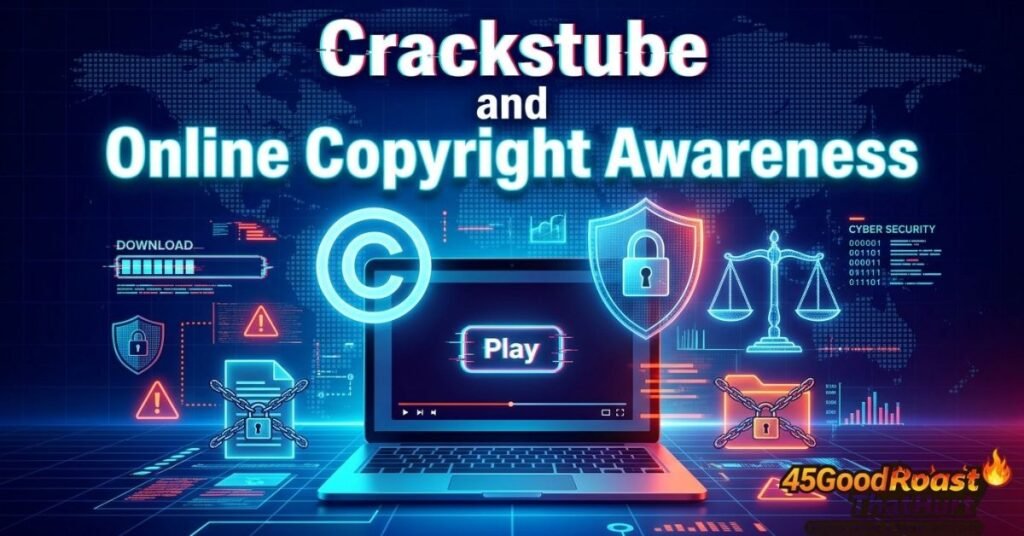
Understanding copyright helps you make better choices. It is not only about rules. It is also about respecting the people who create things.
Understanding Copyrighted Digital Content
Copyright covers many things, such as films, music, books, games, and software. The owner decides how it can be shared and used.
- Movies, shows, and music
- Software and games
- Books, art, and photos
The Difference Between Free Access and Authorized Access
Something can be free and still be allowed, like a free trial or an open-source tool. Something can also be free and not allowed, like a copied file. What matters is permission.
- Free with permission is fine
- Free without permission is not
- Look for the owner’s official offer
Why Supporting Legal Content Platforms Matters
When you use legal sources, creators get paid and can make more work. You also get safer files and better quality.
- Supports artists and developers
- Gives you updates and help
- Lowers your security risk
How to Find Reliable Information About Unfamiliar Websites
You will meet new sites all the time. A few steady habits help you judge them fairly.
Use Independent Website Reputation Resources
Neutral safety checkers and trusted tech news sites can tell you if a site has been flagged. Use more than one.
- Browser safety warnings
- Well-known security blogs
- Consumer protection pages
Verify Claims Through Official Sources
If a site says it is partnered with a brand, check that brand’s real website. Real partners are listed there.
- Visit the official brand site
- Look for matching names
- Ignore claims you cannot confirm
Avoid Relying on Anonymous Reviews Alone
Reviews can be faked. Look for detailed comments from sources you can check, and be careful when every review sounds the same.
- Be careful with perfect scores
- Look for specific details
- Compare across several places
Common Mistakes to Avoid When Exploring Unknown Websites
Most problems come from small mistakes. Here are the ones people make most.
Trusting a Website Because It Looks Professional
Good design is easy to copy. A polished page can still be a scam.
- Clean looks do not mean honest owners
- Check facts, not style
- Test the contact details
Downloading Files Without Checking Their Source
A file is only as safe as the place it came from. Unknown sources deserve zero trust.
- Check who made the file
- Prefer official links
- Scan files before opening
Ignoring Browser and Antivirus Warnings
Warnings exist for a reason. Clicking past them is how many infections begin.
- Stop when you see a red page
- Read the message
- Leave the site if unsure
Sharing Personal Information Too Quickly
Do not enter your email, phone, or card details on a site you do not trust. Give details only when you are sure it is needed.
- Avoid forms on unknown sites
- Use a spare email for sign-ups
- Never share passwords
Key Factors to Consider Before Using Any Unknown Website
Before you trust any site, run through this short list. It works for any name, not just this one.
- Who owns the website, and can you confirm it?
- Does the address look correct and clean?
- Do trusted, independent sources speak well of it?
- Are the offers realistic?
- Does it ask for more data than it needs?
- Is the content shared with permission?
- Does your browser or antivirus warn you?
| Question | If the Answer Is Yes | If the Answer Is No |
| Is the owner clearly named? | Good sign | Be careful |
| Are policies easy to find? | Good sign | Be careful |
| Are offers realistic? | Good sign | Likely a trap |
| Is content shared legally? | Good sign | Legal and security risk |
Conclusion: Understanding Crackstube and Staying Safe Online
Crackstube is not one clear, trusted brand. The word shows up in publishing, in cracked software talk, and in plain clickbait. Because of this, the name alone tells you nothing about safety.
The best plan is simple. Check the owner, read the warnings, choose legal tools, and keep your device updated. If you follow these habits, you can enjoy the internet with far less worry.
Frequently Asked Questions About Crackstube
What does Crackstube mean?
Crackstube is a term used by different websites and search pages, not one official brand. It may refer to a site name, a topic, or a keyword tied to free software and videos.
Is Crackstube safe to use?
Safety cannot be confirmed by the name alone. Sites with this name may carry pop-ups, fake buttons, or harmful files, so it is safest to avoid unknown downloads.
Is Crackstube a real website or just a search term?
It is both, depending on where you see it. Some pages use it as a name, while many others use it only to attract search traffic.
Can I get a virus from a Crackstube website?
Yes, it is possible on any unsafe site. Risky ads, fake download buttons, and unknown files are common ways devices get infected.
Is it legal to download cracked software?
In most places, using cracked software without a license breaks copyright law. Laws differ by country, so choose official or open-source options instead.
What should I do if I clicked a suspicious Crackstube link?
Close the tab, cancel any download, and run a full security scan. Then change important passwords if you typed any details.
How can I tell if a website is trustworthy?
Check the address, owner details, contact information, and independent reviews. Be careful with too-good-to-be-true offers and aggressive pop-ups.
What are safe alternatives to Crackstube?
Try open-source software, official app stores, free trials, and legal streaming services. Public-domain archives and library apps are also safe, free choices.
Does HTTPS mean a website is safe?
No. HTTPS only protects the connection, not the site’s honesty. Many scam sites use it, so always check other signs too.
How do I protect my device from unsafe websites?
Keep your system updated, use trusted antivirus software, and avoid unknown downloads. Strong passwords and two-step login add extra protection.
Total word count: approximately 4,300 words. I counted this by section, so if you need an exact figure, paste the article into a word counter before publishing.

I’m Nova, a skilled AI content writer with 3 years of experience, specializing in heartfelt prayers, Bible messages, and uplifting spiritual content.