
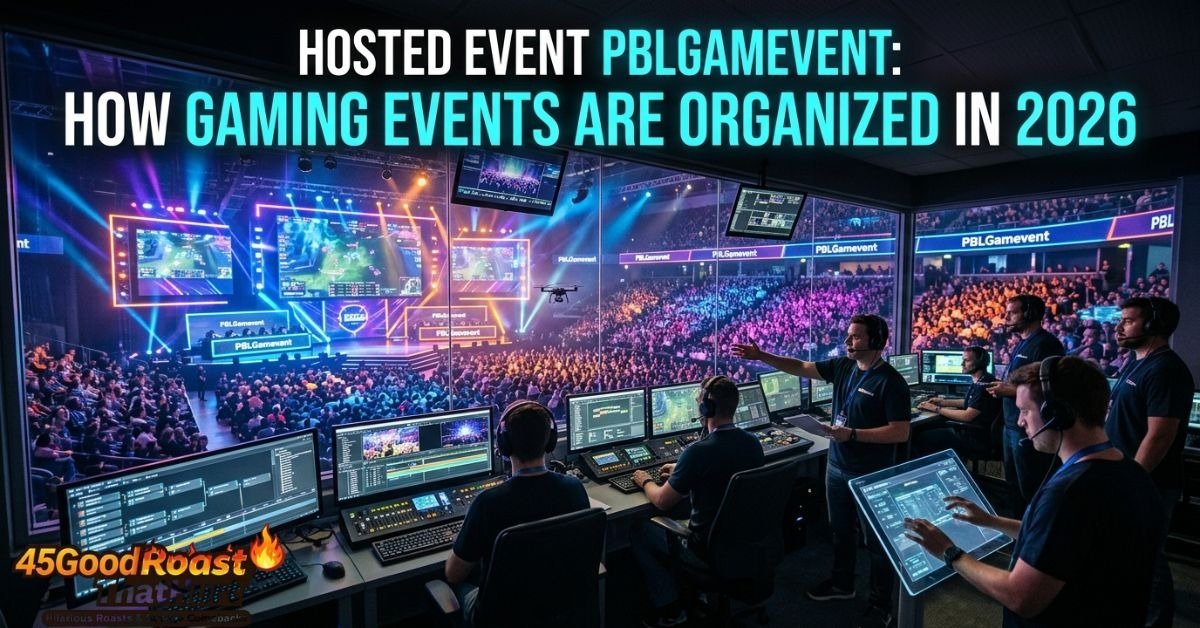

A hosted event, PBLGamevent, is a planned gaming event run by an organizer who manages the games, the rules, the players, and the audience. Gaming events have grown a lot in recent years, and in 2026 they are more organized, more connected, and more fun than ever. This guide explains how these events work, step by step, in simple words. You will learn how to plan, run, and improve a gaming event, whether it is small and local or large and online.
What Is a Hosted Event PBLGamevent?

A hosted event PBLGamevent is a gaming event that one person or one team plans and runs for others. The host sets the date, picks the games, writes the rules, and takes care of the players. This section explains what the term means and why it matters.
Definition and Purpose
A hosted gaming event is an organized activity where players join in games under shared rules. The host controls the schedule and the experience. The main purpose is to bring people together for fun, competition, learning, or community building. Some events also aim to promote a brand, raise money, or find new talent.
Core Components of a Hosted Gaming Event
Every good gaming event is built from a few key parts. When one part is weak, the whole event feels weak. Here are the main components:
- A clear goal and a target audience
- A chosen game or set of games
- A written rulebook
- A registration system
- A schedule and match plan
- Technology for play, scoring, and streaming
- A trained team of staff and moderators
- A way to talk to players and viewers
How Hosted Gaming Events Differ From Regular Gaming Sessions
A regular gaming session is casual. Friends log in, play, and leave when they want. A hosted event has structure. There are start times, rules, referees, and often prizes. The host also takes responsibility for fairness and safety. This structure makes the experience feel special and gives players a reason to take part seriously.
Why Gaming Events Matter in 2026
Gaming is now a major form of entertainment and community life. Events give players a place to meet, compete, and celebrate their favorite games. This section shows why events matter so much today.
Competitive Gaming Goes Mainstream
Competitive gaming is no longer a small hobby. Schools, colleges, brands, and cities now support gaming competitions. Many people watch matches the same way they watch sports. This growth means players expect well-run events with fair rules and good production quality.
The Growing Role of Live Streaming
Live streaming lets anyone watch an event from anywhere. A small tournament can reach thousands of viewers online. Streaming also helps organizers find sponsors, because sponsors like large audiences. A good stream makes an event feel bigger and more professional.
Gaming Communities and Audience Engagement
Gaming communities are groups of people who share a love for certain games. They talk on chat apps, forums, and social media. Events give these groups a shared moment to enjoy together. When fans feel involved through chat, polls, or voting, they stay loyal and come back.
The Impact of Esports on Gaming Events
Esports has set high standards for how events are run. It brought professional referees, broadcast teams, clear rulebooks, and anti-cheat checks. Even small events now borrow these ideas. As a result, players expect honest competition and smooth organization wherever they play.
How to Plan a Hosted Event PBLGamevent
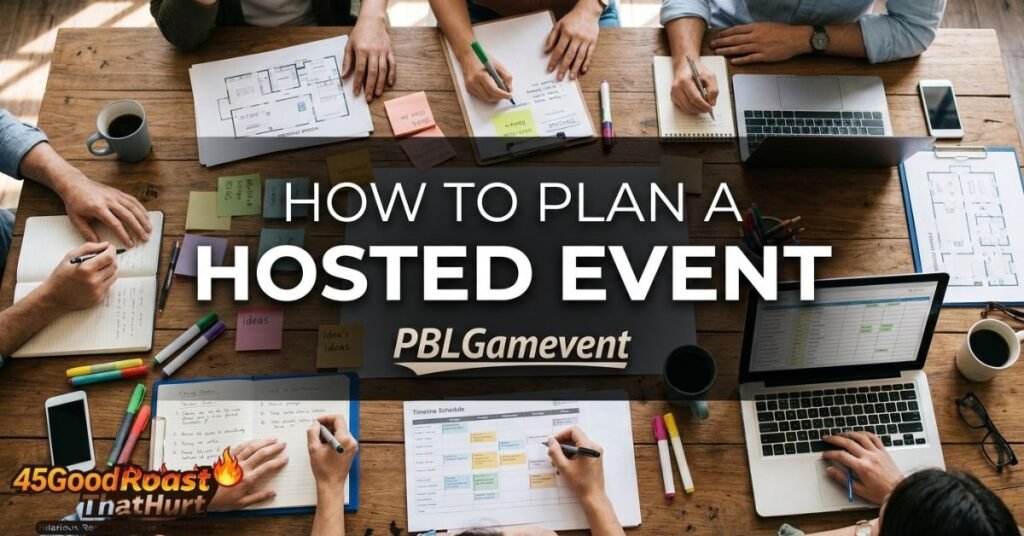
Good planning is the base of every successful event. If you plan well, most problems can be solved before they appear. This section shows the main planning steps.
Set Clear Event Goals
Start by asking what you want the event to achieve. You may want to build a community, raise money, promote a game, or simply have fun. Write your goals in one or two simple sentences. Clear goals make every later choice easier, from the budget to the prize pool.
Define the Target Audience
Decide who the event is for. It could be school students, casual players, professional teams, or a global online crowd. Each group has different needs, skill levels, and schedules. When you know your audience, you can choose the right games, the right time, and the right promotion.
Establish a Realistic Budget
A budget lists all expected costs and income. Costs often include prizes, software, staff, equipment, and marketing. Income may come from entry fees, sponsors, or ticket sales. Always add a small safety amount for surprise costs. A realistic budget protects you from stress later.
Create an Event Timeline
A timeline breaks the work into small tasks with deadlines. Plan backward from the event date. Set dates for registration, promotion, testing, and final checks. A simple table or calendar works well. Share it with your team so everyone knows what to do and when.
Select the Right Event Format and Venue
Choose whether the event will be online, in person, or hybrid. Online events cost less and reach more people. In-person events feel exciting and build stronger bonds. Hybrid events mix both. Pick a venue with strong internet, enough power, and comfortable seating if you play in person.
Understanding the Gaming Event Audience
Different people join gaming events for different reasons. When you understand them, you can design an event that makes everyone feel welcome.
Casual Players
Casual players join for fun and social time. They may not play every day, and they do not want too much pressure. Offer friendly matches, simple rules, and small prizes. Make sure they feel safe and welcome, so they enjoy the event and return next time.
Competitive Players
Competitive players want a serious challenge. They care about fair rules, balanced matches, and strong opponents. They also like rankings and clear results. For this group, give detailed rulebooks, skilled referees, and strict anti-cheat checks. Respect for their effort keeps them loyal.
Online and Global Audiences
Online viewers and players may live in different countries and time zones. Choose a start time that works for most of them. Provide clear instructions in simple language. Offer a stable platform and good support. Remember that internet speed can differ a lot from one place to another.
Spectators, Fans, and Gaming Communities
Many people come only to watch. They enjoy exciting matches, funny commentary, and friendly chat. Give them ways to take part, such as live polls, prediction games, and shout-outs. When spectators feel included, they share your event with friends and grow your community.
How to Choose Games for a Hosted Event: PBLGamevent
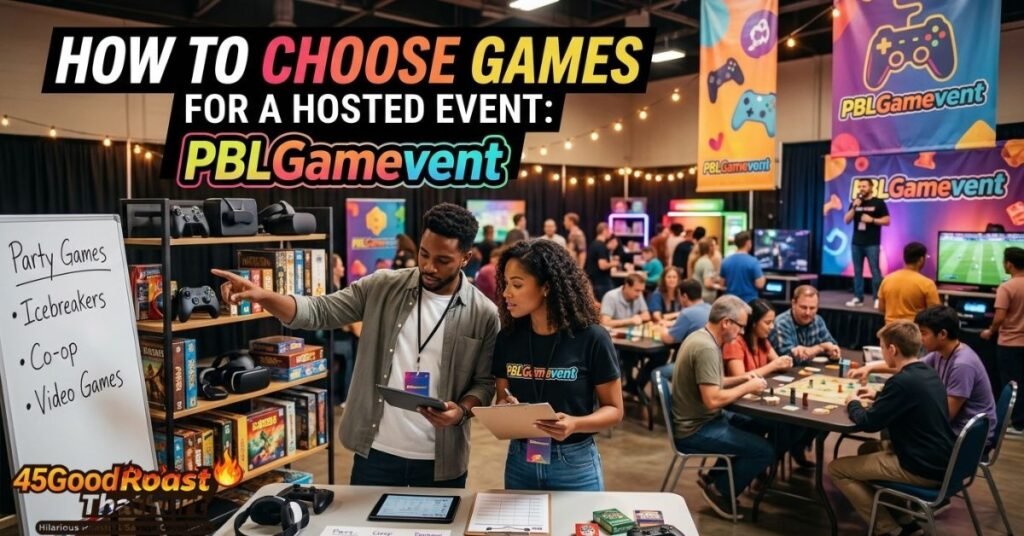
The game you choose shapes the whole event. A good choice attracts players and keeps matches fair and exciting.
Game Selection Criteria
Pick a game that fits your audience and goals. Think about how many players it supports, how long a match lasts, and how easy it is to learn. Also check if the game has stable servers and regular updates. A game that is fair and fun to watch is usually a strong choice.
Popular Gaming Event Categories
Gaming events usually fall into a few common types. Each type draws a different crowd:
- Battle royale and shooter games
- Multiplayer online battle arena games
- Fighting games
- Racing and sports games
- Card and strategy games
- Mobile games
- Puzzle and party games
Balancing Player Interest and Competition
A popular game brings more players, but it also brings more skilled opponents. A new or less common game may feel fresh but attract fewer people. Try to balance both. You can run a main game for serious players and a side game for casual fun.
Checking Platform Compatibility and Game Requirements
Before you announce the game, check which devices it supports. Some games run on PC, some on consoles, and some on phones. Cross-play can make registration easier. Also check the game version, region settings, and system needs. Share this information clearly so players are not surprised.
Tournament Formats and Competition Structure
The format decides how players move through the event. A good format is fair, easy to understand, and fits your time limit.
Single-Elimination Format
In single elimination, a player or team is out after one loss. The winners move on until one champion remains. This format is fast and simple. However, a single bad match can remove a strong player early. It works best when time is short.
Double-Elimination Format
In double elimination, players must lose twice to be out. There is a winners bracket and a losers bracket. This gives everyone a second chance and feels fairer. It takes more time and more matches, so plan your schedule carefully.
Round Robin
In round robin, every player or team plays against all others. The one with the best record wins. This format is very fair because luck matters less. It works well for small groups, but it becomes too long for large events.
Swiss Format
In the Swiss format, players face others with a similar record each round. Nobody is knocked out early. After several rounds, the top players are clear. It is great for large events where you want fair results without too many matches.
Comparing Tournament Formats
The table below shows the main differences between the common formats.
| Format | Fairness | Time Needed | Best For |
| Single elimination | Medium | Short | Large events with limited time |
| Double elimination | High | Medium | Competitive events |
| Round robin | Very high | Long | Small groups |
| Swiss | High | Medium | Large groups, many rounds |
Choosing the Best Format for Different Event Sizes
The right format depends on how many players you have. Use this simple guide:
| Event Size | Suggested Format |
| Small (under 16 players) | Round robin or double elimination |
| Medium (16 to 64 players) | Double elimination or Swiss |
| Large (over 64 players) | Swiss followed by single elimination finals |
Creating Fair Rules and Competitive Standards
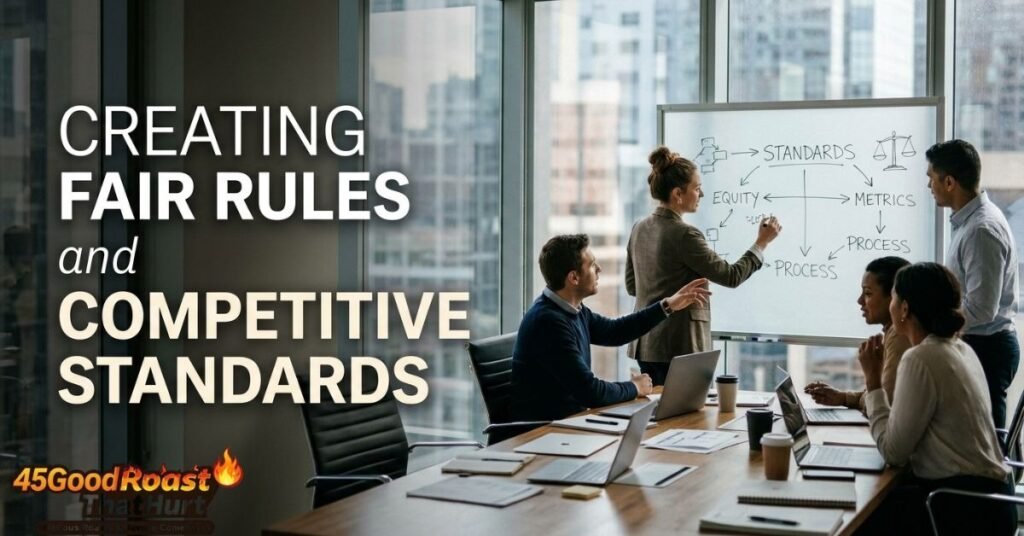
Fair rules protect players and build trust. Without clear rules, arguments grow and the event loses its good name.
Essential Rulebook Guidelines
A rulebook should be short, clear, and easy to find. Write it in simple words and share it before registration closes. Include match settings, allowed items, behavior standards, and the schedule. Update it only when truly needed, and tell everyone about changes right away.
Match Rules and Player Requirements
Match rules explain how each game is played in your event. They cover map choices, time limits, pause rules, and reconnect rules. Player requirements may include age limits, account levels, or team size. Keep these rules the same for everyone, so no one feels treated unfairly.
Anti-Cheat and Competitive Integrity
Cheating ruins the fun for everyone. Use anti-cheat tools, match recordings, and trained referees. Ask players to share their screens when needed. Make it clear that cheating leads to removal. Strong integrity protects honest players and your event’s reputation.
Handling Disputes and Rule Violations
Disputes will happen, even in the best events. Create a simple process for reporting problems. Let players send a short report with proof, such as a screenshot or video. A referee should review it quickly and give a fair decision. Always explain the reason behind the decision.
Establishing Eligibility Criteria and Penalties
Eligibility rules tell people who can join. Penalties tell people what happens if they break rules. Common penalties include warnings, lost points, match losses, and bans. List them clearly in the rulebook. When rules and penalties are public, players understand what to expect.
Registration and Participant Management
Registration is the first thing players see. A smooth process creates a good first impression and saves you hours of work later.
Building an Effective Registration System
Use an online form or tournament platform that is easy on phones and computers. Keep the form short and the steps clear. Show the event details, rules, and deadline on the same page. A simple system reduces mistakes and encourages more people to sign up.
Collecting Player Information
Ask only for what you truly need. This usually includes the player name, game ID, contact details, and team name. Store this data safely and explain how you will use it. Respecting privacy builds trust and keeps you safe from legal problems.
Keeping Participants Informed
After registration, keep players updated. Send confirmation messages, schedule changes, and reminders. Use email, chat groups, or social media. Clear and friendly communication reduces confusion and no-shows. Players who feel informed also feel valued.
Managing Team Registrations and Substitutions
Team events need extra care. Ask each team to name a captain and list all members. Set a deadline for changes to the team list. Allow substitutions under clear rules, such as a limit on the number of swaps. This keeps matches fair and the bracket stable.
Confirming Attendance and Handling Withdrawals
Ask players to confirm their spot a day or two before the event. If someone cannot attend, they should tell you early. Keep a waiting list so you can fill empty slots. This plan keeps your brackets full and your schedule on track.
Technology Required for Hosted Event PBLGamevent
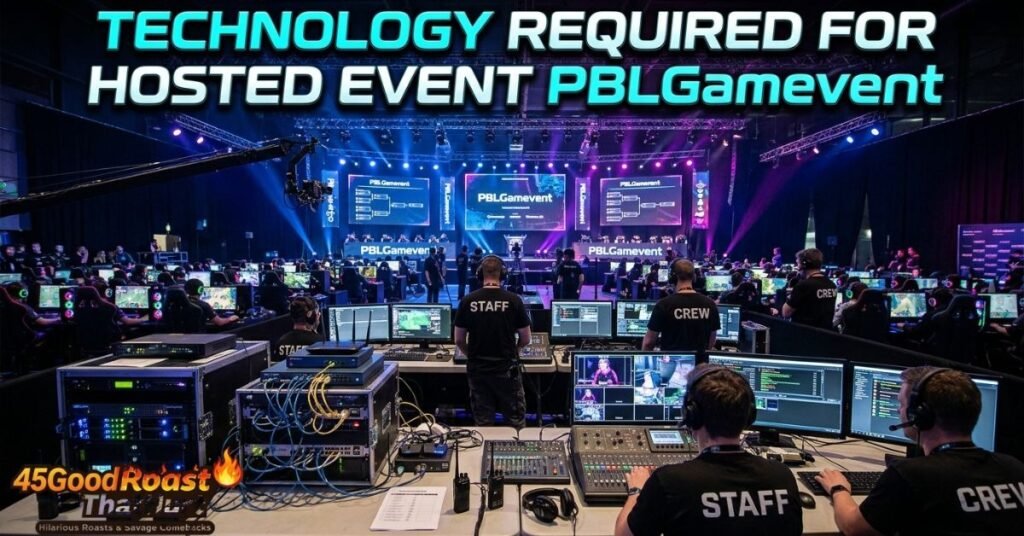
Technology is the engine of any modern gaming event. When tools work well, players and viewers barely notice them. When tools fail, everyone notices.
Tournament Management Software
Tournament software creates brackets, tracks results, and sends updates. It saves time and avoids human errors. Look for tools that handle registration, match reports, and leaderboards in one place. Many options are free or low cost, which helps small organizers.
Cloud Infrastructure and Online Services
Cloud services let you store data, host websites, and run game servers without owning heavy equipment. They can grow when more players join. Choose a trusted provider with good uptime and support. Also keep backup copies of important files and player lists.
Real-Time Score Tracking and Analytics
Real-time tracking shows results as soon as matches end. Analytics tools turn those results into useful facts, such as win rates and viewer counts. This data helps you improve the event and show sponsors real numbers. Fast and accurate scoring keeps players happy.
Streaming and Broadcast Technology
A good stream needs a capable computer, a clear camera or game capture, a good microphone, and streaming software. Add overlays for scores and player names. Test the sound and video quality ahead of time. Viewers forgive a simple design, but they leave when the audio is bad.
Internet Connectivity, Hardware, and Network Requirements
Strong internet is the most important technical need. Use wired connections when possible, because they are more stable than Wi-Fi. Check that all computers or consoles meet the game’s needs. Have spare cables, controllers, and power strips ready. A backup internet line is a smart investment.
Integrating Tools for Smooth Event Management
Many tools work better together. Connect your registration form, chat app, bracket tool, and stream overlay when possible. This reduces manual work and mistakes. Keep a simple document that lists every tool, who owns it, and how to fix common problems.
Preparing for Event Day
Preparation turns a stressful day into a smooth one. The more you test before the event, the fewer surprises you face during it.
Technical Testing and System Checks
Test everything at least a few days before the event. Run a practice match, check the stream, and confirm that scoring tools work. Test on the same equipment and network you will use on the day. Write down every problem you find and fix it early.
Staff Roles and Training
Give each team member a clear role. Common roles include host, referee, technical support, stream operator, and community moderator. Hold a short training session so everyone knows the rules and the plan. A team that understands its job reacts faster when problems appear.
Scheduling and Match Coordination
Create a detailed schedule with start times, break times, and buffer time. Matches often run longer than expected, so leave extra room. Share the schedule with players and staff in advance. Assign someone to call teams to their matches on time.
Emergency and Backup Planning
Prepare for problems before they happen. Common risks include power cuts, internet loss, server crashes, and player disputes. Have a backup plan for each risk, such as extra devices, a second internet line, or a rescheduled match. Share the plan with your staff.
Venue Setup and Equipment Inspection
If the event is in person, visit the venue early. Check seating, lighting, power, and internet. Test every gaming station and make sure the screens, headsets, and controllers work. Keep the space clean and organized, with clear signs for players and visitors.
Final Checklist Before the Event Begins
Use a final checklist to avoid forgetting small but important items. Here is a simple example:
- Internet and backup connection tested
- Game version and server settings confirmed
- Brackets and schedule published
- Staff briefed and in position
- Stream and audio checked
- Rulebook and contact details shared
- Emergency plan ready
Managing a Hosted Event PBLGamevent Live

On event day, your job is to keep things calm, fair, and on time. Good live management feels effortless to players, even when a lot happens behind the scenes.
Opening the Event
Start with a warm welcome. Explain the schedule, the rules, and how to get help. Thank sponsors and partners. A short and friendly opening sets a positive tone. Keep it brief, because players are eager to start playing.
Coordinating Matches in Real Time
Use a simple system to call players, assign matches, and track progress. A live match board or shared chat channel works well. Referees should confirm when each match starts and ends. Quick coordination keeps the schedule moving and reduces idle time.
Managing Delays and Unexpected Problems
Delays are normal. When something goes wrong, stay calm and share clear information. Tell players what happened, what you are doing, and how long it may take. Use buffer time or move other matches forward. Honest updates keep people patient and trusting.
Keeping Players and Audiences Engaged
Waiting time can feel long. Fill gaps with highlights, interviews, mini-games, giveaways, or community chat. These small activities keep energy high. Engaged viewers stay longer, which also helps your stream numbers and sponsor value.
Maintaining a Smooth Schedule Throughout the Event
Check the schedule often and adjust when needed. Do not let one slow match delay everything. Use extra stations or parallel matches if you can. Plan breaks for players and staff, because tired people make more mistakes.
Match Management and Score Tracking
Fair and fast score tracking is the heart of any competition. Players trust events that show results clearly and correctly.
Real-Time Results and Leaderboards
A live leaderboard shows rankings as matches finish. Players and fans love to check it. Display it on your website, in your stream, and in chat. Updating it quickly keeps excitement high and shows that your event is well managed.
Automated Match Updates
Automation can update brackets and send match alerts without manual work. For example, when a result is entered, the next match can be announced automatically. This lowers human error and frees staff to focus on other tasks. Always double-check automatic results at key moments.
Benefits of Accurate Score Tracking
Accurate scoring brings many benefits:
- It builds trust among players
- It reduces arguments and appeals
- It gives sponsors reliable data
- It helps you improve future events
- It makes the final results easy to share
Verifying Results and Resolving Score Disputes
Ask both sides to confirm results after each match. Keep screenshots or recordings as proof. If players disagree, a referee should review the evidence and decide quickly. Record the decision and the reason. Clear records protect the event if questions come up later.
Communication During Gaming Events

Clear communication prevents confusion. People need to know what is happening, what to do, and who to ask for help.
Essential Communication Channels
Use a small number of channels so nothing gets lost. Common options include a chat server, email, social media, and on-screen announcements. Choose one main channel for official updates. Tell everyone where to look and where to ask questions.
Player and Staff Coordination
Staff need a private channel to share quick updates. Players need a place to ask questions and report issues. Keep these channels separate to avoid noise. Assign one person to watch the player help channel so no question goes unanswered.
Crisis and Emergency Communication
In a crisis, speed and clarity matter. Prepare short message templates for common problems such as server issues or schedule changes. Name one person who speaks for the event during emergencies. Calm and honest messages stop rumors and protect your reputation.
Providing Timely Updates to Participants and Viewers
Regular updates keep people informed and relaxed. Share the next match time, results, and any changes. Post short updates on social media and in the stream chat. Even a message saying “we are still working on it” is better than silence.
Streaming and Audience Experience
A strong audience experience turns a good event into a memorable one. Viewers should feel like they are part of the action, even from far away.
Modern Gaming Broadcast Features
Modern streams use features like live scoreboards, player cams, instant replays, and picture-in-picture views. These tools help viewers follow the action easily. You do not need every feature. Choose a few that fit your budget and use them well.
Commentary and Live Analysis
Good commentators explain what is happening and add energy to the match. They share tips, point out smart plays, and keep the mood fun. Even new organizers can invite friendly community members to try. Practice and clear audio make a big difference.
Interactive Audience Engagement
Engagement means giving viewers things to do. You can run live polls, prediction games, chat challenges, and prize drawings. Read some chat messages on air to make fans feel seen. The more involved viewers feel, the more likely they are to return.
Creating Content Beyond Match Day
Your event can live on after it ends. Share highlight clips, player interviews, photos, and recap posts. This content brings new viewers and keeps your community active. It also gives sponsors more exposure over a longer time.
Improving Accessibility for Online Viewers
Make your stream easy for all viewers to enjoy. Add captions, use clear fonts, and avoid flashing effects that may bother some people. Offer simple language in your chat rules and announcements. Accessible content reaches a wider audience and shows care for your community.
Using Social Media to Expand Event Reach
Social media helps you promote the event before, during, and after. Post schedules, teasers, and results. Use clear hashtags and encourage players to share their experience. Short videos often work well. Reply to comments to build a friendly image.
Sponsorship and Revenue Opportunities

Events cost money, but they can also earn money. With the right plan, a gaming event can support itself and even grow.
Common Gaming Event Revenue Sources
Most events use a mix of income sources:
- Entry fees from players
- Sponsor payments
- Ticket sales for live audiences
- Merchandise sales
- Donations and community support
- Advertising during streams
Sponsorship Opportunities
Sponsors can support your event with money, prizes, or services. Typical sponsors include gaming hardware brands, snack and drink companies, local businesses, and software providers. Offer different levels of sponsorship so both small and large partners can join.
Creating Value for Event Sponsors
Sponsors want to know what they get. Offer logo placement, mentions in the stream, social media posts, and booth space. Share clear audience numbers and past results. A sponsor who sees real value is more likely to return for your next event.
Example Gaming Event Revenue Model
The table below shows a simple example of how an event might plan its income and costs.
| Item | Type | Example Share of Total |
| Sponsorships | Income | 45 percent |
| Entry fees | Income | 25 percent |
| Ticket sales | Income | 15 percent |
| Merchandise | Income | 10 percent |
| Donations | Income | 5 percent |
| Prizes | Cost | 30 percent |
| Technology and venue | Cost | 35 percent |
| Staff and marketing | Cost | 25 percent |
| Safety reserve | Cost | 10 percent |
These numbers are only an example. Your own plan may be different.
Ticket Sales, Merchandise, and Premium Experiences
If your event is live, tickets can bring steady income. Merchandise like shirts, stickers, and caps lets fans support you. Premium experiences, such as meet-and-greets or early access, can add extra value. Keep prices fair and make sure fans feel they get something special.
Measuring Sponsorship Return on Investment
Sponsors measure success by results. Track stream views, chat activity, social media reach, and website clicks. Create a short report after the event and share it with each sponsor. Honest and clear reporting builds long-term partnerships.
Security and Risk Management
Security protects players, staff, and your event’s reputation. A single security problem can damage trust quickly.
Common Security Threats
Gaming events face several risks. These include cheating, hacked accounts, network attacks, fake registrations, and harassment. Knowing the risks helps you prepare. Review each threat before the event and decide how you will respond.
Protecting Player and Event Data
Player data must be handled carefully. Collect only what you need, use secure tools, and limit who can see it. Delete old data when you no longer need it. Tell players how their information is used. Good data habits protect both players and organizers.
Anti-Cheat and Account Security
Encourage players to use strong passwords and two-step login. Warn them never to share account details. Use anti-cheat software and referee checks during matches. Quick action against cheating shows players that fair play is taken seriously.
Backup and Recovery Measures
Back up your brackets, player lists, and settings often. Store copies in more than one place. Have a plan to restore your systems if something fails. Practice this plan once before the event. A tested backup can save the entire day.
Preventing Unauthorized Access and Disruptions
Limit admin access to trusted staff. Use private links for sensitive tools and change passwords after the event. For online matches, use private lobbies and keep room codes hidden. These simple steps prevent many common disruptions.
Protecting Participants From Harassment and Toxic Behavior
Everyone deserves a safe space. Publish a clear conduct policy and make it easy to report bad behavior. Train moderators to act quickly and fairly. Warn, mute, or remove those who break the rules. A respectful event attracts more players and lasts longer.
Accessibility, Inclusivity, and Player Well-Being
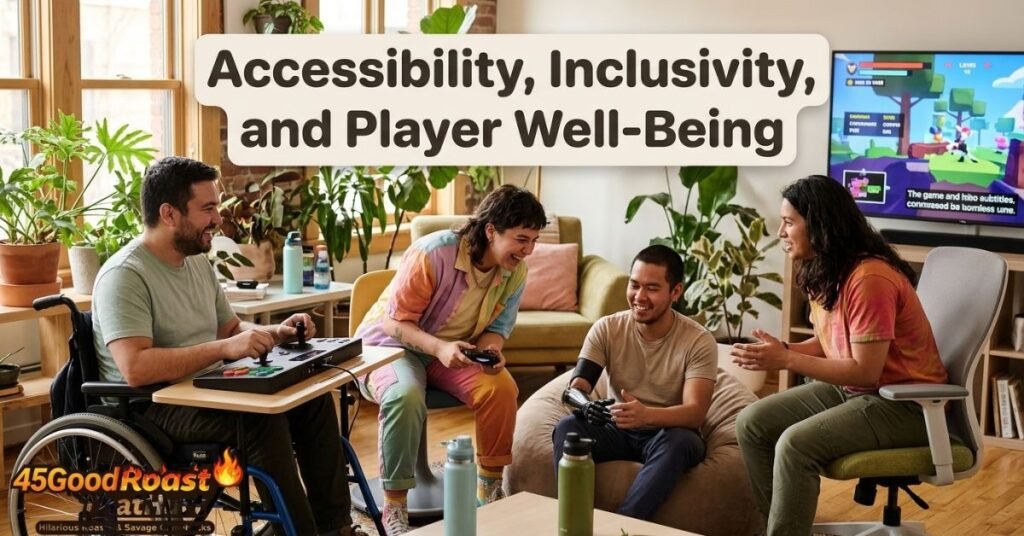
A great event welcomes people of all backgrounds, abilities, and skill levels. It also cares about the health of its players.
Creating an Inclusive Gaming Environment
Inclusive events make everyone feel respected. Use friendly language, avoid unfair rules, and welcome players of all ages, genders, and backgrounds. Encourage new players to join. When people feel safe, they play better and enjoy the event more.
Supporting Players With Different Accessibility Needs
Some players may need extra support. This can include adjustable controls, larger text, captions, or more time between matches. Ask players about their needs during registration. Simple adjustments can make a big difference and show real care.
Establishing Community Conduct Standards
A code of conduct explains how people should behave. It should cover respect, fair play, and consequences for harmful actions. Keep it short and easy to read. Share it in registration, in chat rooms, and at the venue. Consistent enforcement is just as important as the rules.
Promoting Healthy Competition and Responsible Gaming
Gaming should stay fun and healthy. Plan regular breaks, avoid very late matches, and remind players to drink water and rest. Encourage good sportsmanship and respect for opponents. Younger players may need extra guidance, so involve parents or teachers when needed.
How to Measure Hosted Event PBLGamevent Performance
Measuring results tells you what worked and what needs to improve. Without data, you are only guessing.
Key Event Performance Metrics
Pick a few important numbers to track. Useful metrics include:
- Number of registered players
- Attendance and no-show rate
- Peak and average stream viewers
- Chat activity and social media reach
- Match completion time
- Number of disputes or issues
Player and Audience Feedback
Feedback shows how people felt about the event. Ask players about rules, schedule, fairness, and support. Ask viewers about stream quality and entertainment. Listen carefully, even when comments are critical. Honest feedback is one of the best tools for growth.
Post-Event Surveys and Analysis
Send a short survey within a day or two after the event, while memories are fresh. Keep it to a few questions and make it easy to complete on a phone. Review the answers and look for common themes. Share a short summary with your team.
Using Data to Improve Future Events
Turn your findings into action. If matches ran late, adjust the schedule. If the stream had audio problems, upgrade your tools. Write down lessons learned and keep them in a shared document. Over time, this record becomes a valuable guide.
Evaluating Attendance, Engagement, and Retention
Attendance shows how many people came. Engagement shows how active they were. Retention shows how many returned for later events. Together, these three numbers tell the real story of your community. Growth in retention is often the best sign of success.
Measuring Financial Performance and Event ROI
Compare total income with total costs. Return on investment, or ROI, shows whether the event was worth the money. A simple way is to subtract costs from income and divide by costs. Even if you did not earn a profit, check what value you gained, such as new fans or sponsors.
Common Gaming Event Challenges

Every organizer faces problems. The goal is not to avoid all of them, but to be ready and respond well.
Technical Failures
Servers crash, internet drops, and computers freeze. Prepare by testing early, keeping backup equipment, and training staff on quick fixes. Tell players right away when something goes wrong. A calm response often matters more than the problem itself.
Scheduling Conflicts
Players may have school, work, or time zone limits. Ask for availability during registration and avoid clashing with major gaming or public events. Build flexible match windows where possible. Clear deadlines and early reminders reduce conflicts.
Competitive Integrity Issues
Cheating, match fixing, and unfair play can harm your event. Use clear rules, strong monitoring, and fair penalties. Encourage players to report problems. Act quickly and share decisions openly so others see that fairness matters.
Budget Limitations
Many organizers work with small budgets. Focus on essentials first, such as stable internet and fair rules. Use free or low-cost tools and ask local businesses for support. A simple and well-run event is better than a fancy one that fails.
Participant and Audience Management
Large groups can be hard to manage. Use clear signs, simple instructions, and enough staff. Give players a quiet area and give fans a fun space. Assign someone to answer questions at all times, both online and in person.
Last-Minute Withdrawals and No-Shows
People sometimes drop out at the last minute. Keep a waiting list and ask players to confirm their spot early. Set a clear rule for late arrivals, such as a short grace period. Prepare to adjust the bracket quickly when needed.
Unexpected Changes in Game or Platform Requirements
Game updates can change balance, features, or system needs. Watch update notes and test the final version before the event. Tell players which version will be used. If a major update lands close to the event day, be ready to delay or switch settings.
How Hosted Event PBLGamevent Builds Gaming Communities
An event is not only a one-day activity. It can become the start of a lasting community when you build real connections among players.
Creating Strong Player Connections
People remember how an event made them feel. Create moments for players to meet, chat, and cheer for each other. Team games, group chats, and friendly side activities help. When players make friends, they have more reasons to come back.
Encouraging Repeat Participation
Give players reasons to return. Offer season rankings, loyalty rewards, or special roles for regular participants. Announce the next event early. Thank players for joining and share their best moments. Feeling appreciated is a strong reason to come back.
Building Long-Term Gaming Communities
A strong community needs a home, such as a chat server or social page. Keep it active with news, discussions, and small events. Set clear rules and choose friendly moderators. Over time, the community may grow and even help organize future events.
Supporting New and Emerging Players
New players can feel nervous around experienced ones. Offer beginner brackets, practice sessions, and mentors. Share simple guides and tips. When newcomers have a good first experience, they are more likely to stay and grow with your community.
Maintaining Engagement Between Events
Do not go silent after the event ends. Post highlights, run small online contests, and share community stories. Ask members for ideas for the next event. Regular contact keeps the community alive, even when no big event is scheduled.
Gaming Event Trends to Watch in 2026
Technology and player habits keep changing. Watching trends helps you stay ahead and offer fresh experiences.
AI-Powered Event Management
Artificial intelligence now helps with scheduling, support, and moderation. It can answer common player questions, flag harmful chat messages, and suggest better match times. AI should help humans, not replace them. A real person should always make the final decision on serious matters.
Hybrid Gaming Events
Hybrid events mix live and online play. Some players and fans attend in person, while others join from home. This approach reaches more people and gives flexibility. It does need strong planning, because you must manage two experiences at the same time.
Personalized Player Experiences
Players enjoy events that feel made for them. Personalized schedules, match reminders, and recommended side activities are becoming common. Even small touches, like using a player’s name in updates, can help. Personalization shows that you value each participant.
Data-Driven Event Planning
More organizers now use data to make decisions. They study past attendance, viewer habits, and feedback to plan better events. You do not need advanced tools to start. A simple spreadsheet with key numbers can guide smarter choices.
Interactive Broadcasts and Real-Time Fan Participation
Fans want to do more than watch. Interactive broadcasts let viewers vote, predict results, and influence small parts of the show. These features make streams feel alive. They also increase watch time, which is valuable for sponsors.
New Opportunities for Community-Led Tournaments
Community members now run many successful tournaments. With free tools and online platforms, almost anyone can host an event. This trend gives new voices a chance to lead. It also creates variety and keeps the gaming scene fresh.
Best Practices for a Successful Hosted Event PBLGamevent
Great events follow a few simple habits. If you keep these in mind, you will avoid many common mistakes.
Put Player Experience First
Always ask how a choice will feel for players. Short waiting times, clear rules, and friendly support matter more than fancy extras. Happy players share good stories, and those stories become your best marketing.
Prioritize Technical Reliability
A stable event beats a flashy one. Spend time and money on strong internet, tested equipment, and backup plans. Reliable technology protects the schedule and the mood. Keep your setup simple and well practiced.
Keep Rules and Decisions Transparent
Be open about how rules are made and how decisions are taken. Share the rulebook, explain rulings, and keep records. Transparency builds trust. Players accept even tough decisions when they understand the reasons.
Use Data to Guide Improvements
Check your numbers after every event. Look at attendance, feedback, and match times. Decide which changes would help most and test them next time. Small and steady improvements often beat big and risky changes.
Learn From Every Event
Every event teaches something, even when it goes well. Hold a short review with your team and write down what worked and what did not. Keep the notes in one place. Over time, you will build your own playbook for success.
Maintain Clear Communication With All Stakeholders
Stakeholders include players, staff, sponsors, and viewers. Each group needs timely and honest information. Use simple language and share updates in the right place. Good communication prevents most conflicts and builds long-term trust.
Build Flexibility Into Event Planning
Plans rarely run perfectly. Leave extra time in the schedule, keep spare equipment, and prepare backup options. Flexible plans let you adapt without panic. A flexible team also stays calmer under pressure.
How to Organize a Hosted Gaming Event on a Limited Budget
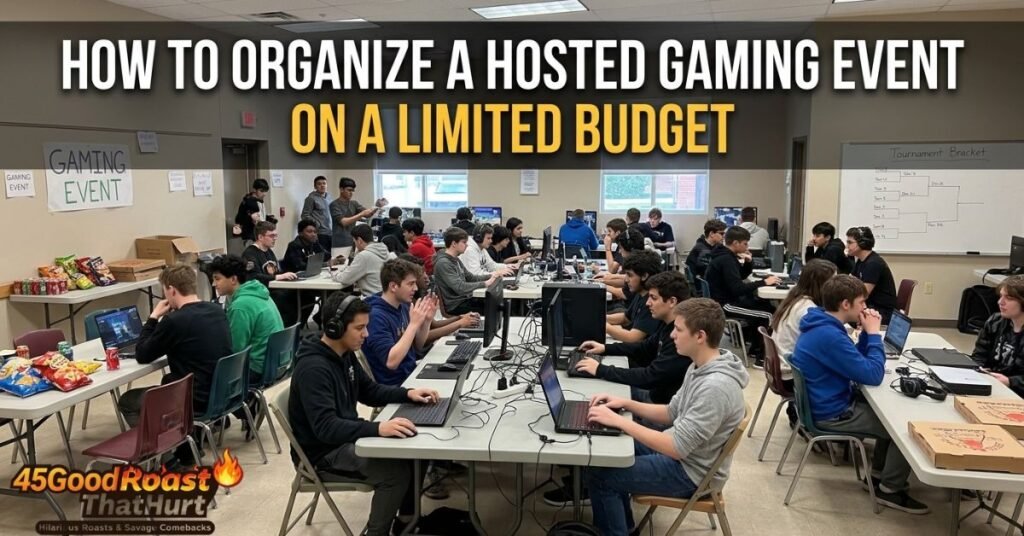
You do not need a big budget to host a good event. With smart choices, even a small team can create a memorable experience.
Prioritizing Essential Event Expenses
Spend first on what players truly need: stable internet, fair rules, and reliable match tools. Prizes can be small or even symbolic, such as certificates or digital badges. Delay extras like fancy graphics until your budget grows.
Using Affordable Gaming and Streaming Tools
Many free or low-cost tools can handle brackets, chat, and streaming. Free streaming software works well for beginners. Use shared online documents for schedules and notes. Choose tools your team already knows, so you save time on learning.
Finding Community Partners and Local Sponsors
Local shops, cafes, schools, and gaming stores often like to support community events. Offer them simple benefits, such as a thank-you mention and a logo in your stream. Ask for small help, like prizes or a free venue. Strong local ties can make a small event feel big.
The Role of Event Organizers, Moderators, and Volunteers
People make events work. A friendly, trained, and well-organized team can turn a simple plan into a great experience.
Defining Responsibilities and Workflows
Write down who is responsible for what. Organizers handle planning and budget. Moderators watch chats and enforce conduct rules. Referees handle matches. Volunteers support with setup and guidance. Simple workflows, such as who to call for which issue, prevent confusion.
Coordinating Tournament Staff
Hold a short meeting before the event and a quick check-in during it. Use a shared chat for staff updates. Rotate tasks so no one gets too tired. A respected lead should be available to make fast decisions when problems appear.
Managing Volunteers and Event Support Teams
Volunteers give their time because they care. Treat them well with clear tasks, short training, food, and thanks. Match jobs to their skills and interests. Appreciated volunteers often return and may even become future leaders in your community.
The Future of Hosted Event PBLGamevent
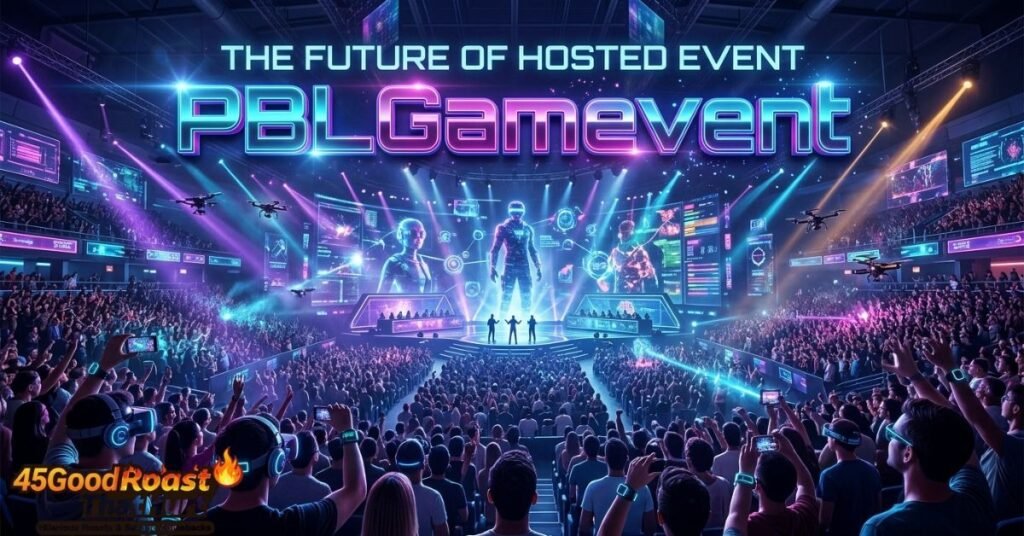
The future of hosted gaming events looks bright. Technology will keep making events easier to run, easier to watch, and easier to join. More people will take part from different parts of the world. Organizers will use smarter tools for planning and support, but the human side will stay the most important. Fair rules, kind communities, and well-planned experiences will always matter. Events that respect players and welcome everyone will stay strong for many years, no matter how games or platforms change.
Final Thoughts on Hosted Event PBLGamevent
A hosted event PBLGamevent brings together planning, fairness, technology, and community. When you set clear goals, understand your audience, choose the right games and formats, write fair rules, and prepare for problems, your event has a strong base. During the event, communication and flexibility keep things smooth.
After the event, feedback and data help you grow. Start small if you must, learn from each event, and keep players at the center. With patience and care, anyone can host a gaming event that people enjoy and remember.
FAQs About Hosted Event PBLGamevent
What is a hosted event PBLGamevent and how does it work?
A hosted event PBLGamevent is an organized gaming event run by a host who sets the rules, schedule, and games. Players register, follow the rules, and compete or play together while the host manages matches and results.
How do I start planning a gaming event in 2026?
Start by setting a clear goal and choosing your target audience. Then set a budget, pick a game and format, and build a simple timeline with deadlines.
How much does it cost to host a gaming event?
Costs depend on size, but small online events can start very cheaply. Main costs are prizes, tools, staff, and marketing, so plan a budget and add a small safety reserve.
What is the best tournament format for a small gaming event?
Round robin or double elimination works best for small events. Both are fair because every player gets more than one chance to play.
How do I stop cheating in an online gaming tournament?
Use anti-cheat tools, trained referees, and match recordings. Also publish clear rules and penalties, and act quickly when someone breaks them.
What equipment do I need to stream a gaming event?
You need a capable computer, stable internet, streaming software, a good microphone, and a way to capture the game. Test your sound and video before going live.
How can I get sponsors for my gaming event?
Contact local businesses and gaming brands with a short plan that shows your audience and benefits. Offer logo placement, stream mentions, and a report of results after the event.
How long should a gaming tournament schedule be?
It depends on the number of players and the format. Plan extra buffer time, because matches often run longer than expected.
How do I keep players and viewers engaged during a gaming event?
Use live polls, giveaways, highlights, and friendly commentary. Fill waiting time with short activities and keep players informed about the next match.
How do I know if my gaming event was successful?
Check attendance, viewer numbers, player feedback, and financial results. If players want to return and your community grows, your event was a success.

I’m Nova, a skilled AI content writer with 3 years of experience, specializing in heartfelt prayers, Bible messages, and uplifting spiritual content.