
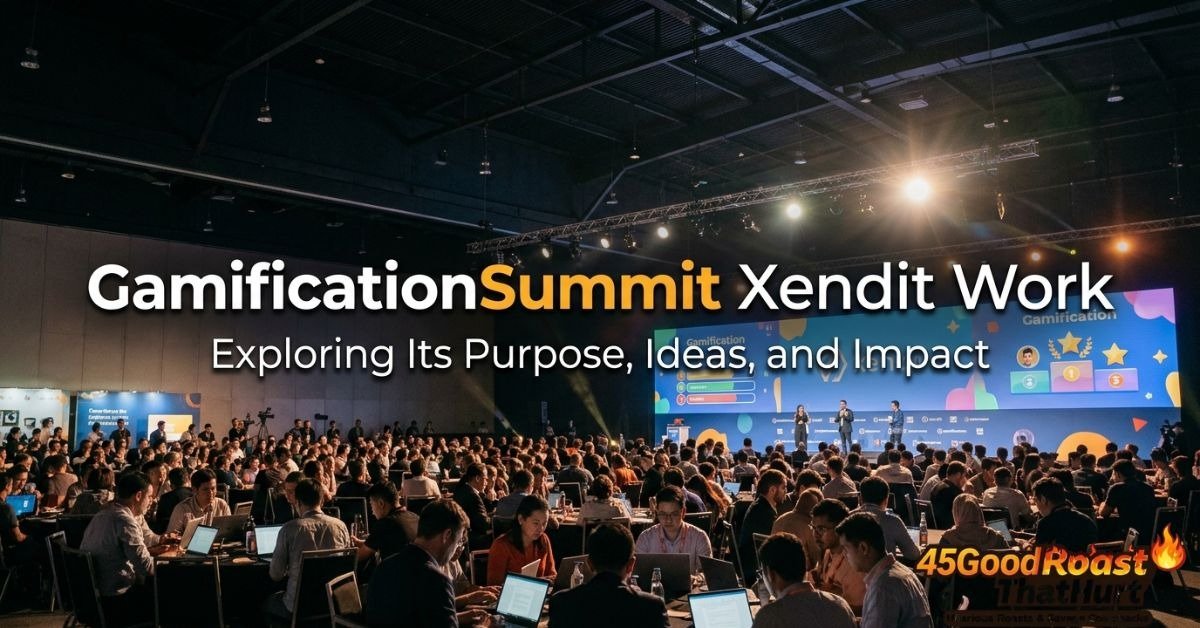

Have you ever kept using an app just to protect your daily streak? Or finished a task because a progress bar was almost full? That is gamification at work. Businesses use game-style ideas to make normal tasks feel fun, clear, and rewarding.
This guide explains the idea behind “GamificationSummit Xendit Work” in simple words. You will learn what gamification means, how it connects to digital payments and fintech, and why it helps businesses grow. You will also find practical steps, examples, tables, and tips you can use right away.
Xendit Gamification Summit Work: Exploring Its Purpose, Ideas, and Impact

Xendit is known as a payments company that helps businesses accept and send money online across Southeast Asia. A gamification summit is a meeting where experts share ideas on using game elements to improve customer and employee experiences. When these two ideas meet, the topic becomes clear: how can payment and fintech brands make money-related tasks more engaging?
The purpose of this topic is to look at how rewards, goals, and progress can make digital products easier and more enjoyable. The main ideas are engagement, personalization, and better digital experiences. The impact is stronger loyalty, higher activity, and happier users.
This article treats the subject as a learning guide. It explains the ideas in general terms so the lessons stay useful for years, no matter how tools or trends change.
What Does Xendit Gamification Summit Work Mean?
The phrase has three parts. “Xendit” points to the world of online payments. “Gamification” means using game ideas in non-game settings. “Summit work” means the talks, ideas, and projects that come out of a big industry meeting.
Put together, the phrase describes the work of applying gamification ideas to payment and business products. It covers how teams plan reward systems, design user journeys, and measure results.
Here is a quick view:
| Part of the phrase | Simple meaning |
| Xendit | A payments and fintech setting |
| Gamification | Using game ideas in daily business tasks |
| Summit | A meeting where experts share ideas |
| Work | The plans and actions that follow |
Understanding the Connection Between Xendit and Gamification
Payments can feel boring. People want to pay quickly and leave. Yet businesses also want customers to come back, explore features, and stay loyal. Gamification helps bridge this gap.
Imagine a payment app that gives a small badge when you pay your first bill online. Then it shows a progress bar toward a monthly goal. Suddenly, a simple task feels like a small win.
Fintech companies work with trust, speed, and safety. Gamification adds another layer: motivation. Safe and fast payments bring people in, and game-like features give them reasons to stay and use more tools.
The connection is not about turning money into a game. It is about making good habits, such as paying on time, saving, or using digital tools, feel rewarding and simple.
Why Is Gamification Important?
People like progress, rewards, and friendly competition. Gamification uses these natural feelings to guide behavior in a positive way.
Here is why it matters:
- It makes boring tasks feel more interesting.
- It gives people clear goals to work toward.
- It shows progress so users feel proud.
- It encourages people to return again and again.
- It turns passive users into active participants.
Today, people have thousands of apps and websites to choose from. Attention is limited. A product that feels fun and rewarding stands out. That is why gamification has grown from a small trend into a lasting business method.
How Does Gamification Work in Business?

Gamification works by connecting human motivation with simple design. Every person wants to feel capable, rewarded, and recognized. Businesses build systems that give people these feelings while they use a product or complete a task.
A good system has three basic parts. First, there is a clear goal. Second, there are actions the user can take. Third, there is feedback that tells the user how they are doing. When these parts work together, people stay interested.
Businesses use gamification in marketing, sales, customer service, training, and product design. The tools may look different, but the idea stays the same: make progress visible and rewarding.
Points, Rewards, and Achievement Systems
Points are the most common gamification tool. A user earns points for doing useful actions, like completing a profile, making a purchase, or inviting a friend. Later, they can use the points for rewards.
Rewards can be discounts, cashback, free features, or special access. Achievements are milestones, such as “first payment completed” or “ten transactions this month.”
The key is balance. Rewards should feel valuable but not too easy to get. If everyone gets everything instantly, the system loses its meaning.
Challenges, Badges, and Leaderboards
Challenges give users a short-term mission. For example, “Complete three payments this week and unlock a bonus.” Challenges create a sense of urgency and excitement.
Badges are visual symbols of success. They are small, but people love collecting them. A badge says, “You did it.”
Leaderboards show rankings. They can motivate people who enjoy friendly competition. However, they should be used carefully. Some users may feel discouraged if they are always at the bottom. Smart teams use group leaderboards, weekly resets, or personal progress boards.
Progress Tracking and Instant Feedback
People like to know where they stand. Progress bars, level indicators, and percentage meters give a clear picture of how close someone is to a goal.
Instant feedback is just as important. When a user completes a step, the system should respond right away with a message, a sound, or a small animation. This tells the user, “Your action worked.”
Without feedback, people lose interest. With clear feedback, they feel guided and confident.
Key Ideas Discussed at a Gamification Summit
At a gamification summit, experts share trends, research, and real examples. While topics change from year to year, three big ideas appear again and again: customer engagement, personalization, and digital experience.
These ideas form the base of almost every successful gamification plan. Let us look at each one.
Customer Engagement
Engagement means how often and how deeply people interact with a product. A highly engaged customer logs in often, uses more features, and talks about the brand with others.
Gamification boosts engagement by giving people reasons to act. Daily missions, streaks, and bonus events keep the product fresh. The goal is not to push users with pressure. The goal is to invite them with enjoyable steps.
Strong engagement also gives businesses useful data. Teams can see what users like, where they get stuck, and which rewards work best.
Personalization
Not every user is the same. Some like competition. Others prefer collecting items. Some want simple rewards, and others want recognition.
Personalization means shaping the game elements to match each user. A new user might see easy beginner goals. A loyal user might see special challenges with better rewards.
When people feel the experience was made for them, they connect more with the brand. Personalization turns a general system into a meaningful one.
Digital Experience
A digital experience is everything a person sees and feels when using an app or website. It includes speed, design, clarity, and ease of use.
Gamification should improve the experience, not make it confusing. Too many pop-ups, points, or rules can annoy users. The best systems are light, clear, and helpful.
Good digital experience means users always know what to do next, why it matters, and what they will gain.
Why Gamification Matters for Businesses

Businesses face a common problem: getting users is hard, and keeping them is even harder. Many people download an app, try it once, and never return.
Gamification helps solve this by building habits. When users enjoy small wins, they are more likely to come back. Over time, repeated use becomes a routine.
It also helps companies stand out. Many products offer similar features. A product that feels rewarding and easy to use has a clear edge.
Finally, gamification supports business goals directly. It can increase sales, improve learning, raise satisfaction, and lower the cost of winning back lost customers. It is a flexible tool that fits many industries, from banking to education to retail.
Benefits of Gamification
Gamification offers many benefits for both customers and employees. When done well, it creates value on both sides. Here is a simple summary:
| Benefit | What it means |
| More participation | People take part more often |
| Better motivation | Users feel driven to finish tasks |
| Higher retention | Customers stay longer |
| Stronger loyalty | Users trust and prefer the brand |
| Happier teams | Employees feel engaged at work |
Now let us look at each benefit in more detail.
Improving Customer Participation
Participation means taking action, such as filling out a form, trying a new feature, or leaving feedback. Many users skip these steps because they see no reason to do them.
Gamification gives that reason. A small reward or progress mark can turn an ignored task into a quick win. For example, a “profile completeness” bar encourages users to add missing details.
Higher participation gives businesses better data and gives customers a more personal experience.
Increasing User Motivation and Retention
Motivation is the push that helps people keep going. Retention means users stay with a product over time.
Gamification supports both. Streaks, levels, and goals give users something to work toward. When they reach one goal, a new one appears. This cycle keeps the journey going.
Better retention also saves money. Keeping an existing customer usually costs less than finding a new one.
Encouraging Customer Loyalty
Loyalty grows when customers feel valued. Reward programs, VIP levels, and special badges show appreciation.
A loyal customer buys again, recommends the brand, and forgives small mistakes. Gamified loyalty programs make the relationship feel active instead of passive.
The best loyalty systems reward real effort and long-term behavior, not just one-time actions.
Supporting Employee Engagement
Gamification is not only for customers. Many companies use it inside the workplace for training, sales goals, and team projects.
Employees can earn points for finishing lessons, hitting targets, or helping coworkers. Team challenges build friendly spirit and teamwork.
When people see their effort recognized, they feel more connected to their work. That often leads to better performance and lower turnover.
How Gamification Can Support Digital Payments and Fintech

Fintech products handle important tasks like paying bills, sending money, and managing balances. These tasks matter, but they can feel dull or stressful.
Gamification can make them smoother and more friendly. Here are some ways it can help:
- Reward users for setting up secure payment methods.
- Show progress toward savings or payment goals.
- Give small bonuses for using digital payments regularly.
- Teach new users how features work through simple missions.
- Celebrate milestones, such as a first successful transfer.
Trust is the most important rule in this space. Rewards should never pressure users into risky choices. Fair and honest design is essential. The aim is to build healthy habits and clear understanding, not to push spending.
For businesses that accept online payments, gamification can also help merchants. A merchant dashboard might show goals, achievements, and tips as the business grows.
A Simple Example of Gamification at Work
Let us picture a small online store that uses a digital payment tool.
The store adds a simple loyalty system. Customers earn one point for every purchase. After five purchases, they unlock a free delivery reward. A small progress bar on the checkout page shows how close they are.
Here is what happens next:
- Customers see the bar and feel motivated to complete the next order.
- They return more often to reach the reward.
- The store sees higher repeat sales.
- Customers feel appreciated and share the store with friends.
This small example shows the full cycle: a clear goal, visible progress, and a meaningful reward. It does not need advanced technology. It only needs careful thinking about what customers want.
Case Study Example: Applying Gamification to a Business
Let us look at an imagined case to see the steps in action. This is a teaching example, not a report about a real company.
A mid-size digital payment company wants more new users to complete their first payment after signing up. Many people create an account but never finish setup.
The team builds a “Getting Started” journey with four small missions: verify the account, add a payment method, make a first payment, and explore one extra feature. Each step gives a badge, and a progress bar shows how much is left. Finishing all four unlocks a small reward.
The team measures results after three months:
| Measure | Before | After |
| Users finishing setup | Low | Higher |
| First payment rate | Low | Higher |
| Return visits | Few | More frequent |
| Support questions | Many | Fewer |
The lesson is simple. Breaking a big task into small steps with clear rewards makes people more likely to finish. The company also learned to keep missions short and to test each step for confusion.
Best Practices for Implementing Gamification Strategies

Good gamification does not happen by accident. It needs planning, testing, and care. These best practices help teams build systems that last.
Setting Clear Goals and Objectives
Start by asking what you want to improve. Do you want more sign-ups, more repeat purchases, or better training results? A clear goal guides every design choice.
Write the goal in simple, measurable words. For example, “Increase repeat purchases by twenty percent in six months.”
Without a goal, gamification becomes decoration. With a goal, every badge and reward has a purpose.
Understanding User Needs and Preferences
Know your audience before you design. Age, culture, habits, and device use all affect what people enjoy.
You can learn about users through surveys, interviews, and usage data. Ask what they find frustrating and what they would value.
A system that matches real needs feels natural. A system built on guesses may feel forced.
Designing Fair and Meaningful Rewards
Rewards should feel worth the effort. If they are too small, people ignore them. If they are too big, the business may lose money.
Fairness matters too. Rules should be clear, and everyone should have a real chance to earn rewards. Hidden rules or unfair advantages can damage trust.
Remember that rewards are not only money. Recognition, early access, and personal progress can be just as powerful.
Measuring Engagement and Performance
What you do not measure, you cannot improve. Track the numbers that connect to your goal.
Review results often and make small changes. Try different reward types, test new challenges, and listen to feedback.
Good gamification is never “finished.” It grows and improves along with its users.
Common Gamification Mistakes Businesses Should Avoid
Many gamification projects fail for simple reasons. Avoiding these mistakes can save time and money.
- Adding game features without a clear business goal.
- Making rules too complex for users to understand.
- Offering rewards that are too small or too hard to earn.
- Relying only on competition, which can push away some users.
- Ignoring user feedback after launch.
- Using pressure tactics that feel manipulative.
- Forgetting to test on mobile devices.
- Treating gamification as a one-time campaign instead of a long-term system.
The common thread is a lack of focus on real user value. When the design respects people’s time and choices, results improve.
Challenges and Limitations of Gamification

Gamification is powerful, but it is not magic. It has limits that every team should know.
First, rewards can fade. If users only care about points, they may leave when the rewards stop. Strong products must still offer real value on their own.
Second, poor design can backfire. Too many notifications or confusing rules may annoy people.
Third, fairness and privacy matter. Collecting user data to personalize rewards must be done openly and safely, especially in financial services.
Fourth, it takes effort. Building, testing, and updating a system needs time, skills, and budget.
Here is a quick summary:
| Challenge | Possible solution |
| Rewards lose appeal | Refresh goals and offer new challenges |
| Users feel overwhelmed | Keep the design simple |
| Data privacy concerns | Be clear and follow safe practices |
| Limited resources | Start small and grow step by step |
How to Measure the Impact of Gamification
Measuring impact shows whether gamification is truly working. It also helps teams decide what to keep, change, or remove.
Choose a few key measures tied to your goals. Compare numbers before and after launch. Look at trends over weeks and months, not just a single day.
Both numbers and user comments matter. Numbers show what happened. Comments help explain why.
User Engagement and Participation Rates
Engagement metrics show how active users are. Useful measures include daily and monthly active users, time spent in the app, mission completion rates, and feature usage.
If participation rises after adding gamification, it is a good sign. If it rises briefly and then drops, the system may need fresh ideas.
Watch for quality, too. Real engagement means users find value, not just click for points.
Customer Retention and Conversion Rates
Retention shows how many users stay over time. Conversion shows how many users take a desired action, like making a purchase or finishing a payment.
Track these at different stages, such as day one, week one, and month one. This helps you see where users drop off.
Improvements in retention and conversion often show that the experience feels more rewarding and clear.
Return on Investment and Business Results
Return on investment, or ROI, compares what you gained with what you spent. Add up the costs of design, rewards, tools, and staff time. Then compare them with extra sales, saved costs, or higher customer lifetime value.
Business results can also include softer gains, such as better brand image and stronger loyalty.
A clear ROI report helps leaders support future projects and plan budgets wisely.
The Future of Gamification in Digital Business

Gamification will keep growing as digital life expands. Several trends are likely to shape its future:
- More personalization through smarter use of data.
- Better mobile-first designs for fast, small-screen experiences.
- Stronger links between learning, finance, and rewards.
- More focus on ethics, fairness, and user wellbeing.
- Wider use in workplaces, education, and public services.
In fintech, the future may bring friendlier money tools, clearer financial education, and more rewarding ways to build healthy habits. The winners will be the brands that use gamification with honesty and respect.
One thing will not change: people love progress, recognition, and a little fun. As long as that is true, gamification will stay a valuable tool.
Final Thoughts on GamificationSummit Xendit Work
The idea behind GamificationSummit Xendit Work is simple and powerful. Take the trusted, fast world of digital payments and add the motivating power of game design. The result is a smoother, more engaging experience for customers, merchants, and teams.
We covered the basics of points, badges, and progress tracking. We looked at benefits like participation, retention, and loyalty. We also covered best practices, common mistakes, and ways to measure success.
If you remember only one thing, remember this: gamification works best when it serves real user needs. Set clear goals, keep rules simple, reward fairly, and always measure results. Do this, and your gamification strategy can bring lasting value for years to come.
Frequently Asked Questions
What is the Xendit Gamification Summit work all about?
It is about using game ideas like points, badges, and rewards to make digital payments and business tasks more engaging. The focus is on better customer experiences and stronger loyalty.
How does gamification help fintech companies?
Gamification helps fintech brands keep users active by turning routine money tasks into rewarding steps. It can boost engagement, build good habits, and improve retention.
What are the main gamification tools used in business?
The most common tools are points, badges, challenges, leaderboards, and progress bars. Together they give users clear goals and instant feedback.
Why is gamification good for customer loyalty?
It makes customers feel valued by rewarding repeat actions. Loyal users come back more often and are more likely to recommend the brand.
How can a small business start using gamification?
Start with one clear goal and a simple reward, like a loyalty card with a progress bar. Test it, collect feedback, and improve step by step.
What is a simple example of gamification in payments?
A payment app might give a badge for a first successful payment and show a progress bar toward a monthly goal. This makes a simple task feel like a win.
What mistakes should I avoid when using gamification?
Avoid complex rules, weak rewards, and features with no clear goal. Also avoid pressure tactics, and always listen to user feedback.
How do I measure if gamification is working?
Track engagement rates, retention, conversion, and return on investment before and after launch. Compare the numbers over time to see real impact.
Can gamification be used for employee engagement?
Yes. Companies use points, team challenges, and recognition to boost training, teamwork, and motivation at work.
What is the future of gamification in digital business?
It is moving toward smarter personalization, mobile-first design, and fairer, more ethical reward systems. Its use will keep growing in finance, education, and the workplace.

I’m Nova, a skilled AI content writer with 3 years of experience, specializing in heartfelt prayers, Bible messages, and uplifting spiritual content.