


Real estate has a reputation problem. Ask around, and most people will tell you that property investing is a game for the already wealthy: you need a huge down payment, spotless credit, and a head start in life. That story is outdated. Buying a $400,000 house in cash does take money most people do not have, but learning how to start real estate investing with little money is a different skill entirely, one built on strategy, education, and patience rather than a large bank balance.
This guide covers the full picture: realistic low-capital strategies, the financing basics every beginner must understand, the honest risks that self-styled gurus skip over, how to analyze a deal before you commit, and a step-by-step plan you can actually follow.
Please note: this article is for educational purposes only. It is not financial or investment advice, and nothing here guarantees income or returns. Real estate can build wealth slowly over time, but it can also lose money. Treat any promise of guaranteed returns as a red flag.
What “Investing With Little Money” Really Means in Real Estate
When people search for how to start real estate investing with little money, they usually fall into one of two groups. The first has a few thousand dollars in savings, enough for an emergency fund but nowhere near a traditional 20 percent down payment. The second has steady income but no lump sum at all. Both starting points are workable, but they call for different playbooks.
“Little money” in real estate does not mean “no resources.” Successful low-capital investors substitute education, time, and skills, such as finding undervalued deals that a money partner will fund.
Leverage, which means using borrowed money to control a larger asset, is the engine, but leverage must be handled with care, because it multiplies losses just as easily as gains.
Set your expectations honestly: plan on two to three months of serious learning before you spend or risk a single dollar. That patience is what separates investors from gamblers.
7 Low-Capital Strategies to Start Real Estate Investing With Little Money

There is no single best way to start real estate investing with little money. The right strategy depends on your savings, your credit, your local market, and how much time you can commit. Here are seven approaches beginners actually use, with honest notes on what each one demands.
1. House hacking
House hacking means buying a small multi-unit property, such as a duplex, triplex, or fourplex, living in one unit while renting out the others. You can also house hack a single-family home by renting out spare bedrooms.
Why it works with little money: because you will live in the property, you may qualify for owner-occupant loans with far lower down payments. FHA loans, for example, are designed with lower down payments in mind and are often described by HUD as a good option for first-time homebuyers.
Instead of saving 20 percent, an owner-occupant might put down 3.5 percent on an FHA loan, which turns an impossible goal into an achievable one. The trade-off: you become a landlord from day one, living next door to your tenants. Screen carefully, learn your state’s landlord-tenant law, and keep cash reserves for repairs.
2. REITs (Real Estate Investment Trusts)
A Real Estate Investment Trust is a company that owns, and usually operates, income-producing real estate. You buy shares of a publicly traded REIT through a regular brokerage account, sometimes for the price of a pizza.
This is the lowest-friction way to start real estate investing with little money: no tenants, no maintenance calls at 2 a.m. The U.S. Securities and Exchange Commission’s Investor.gov explains how REITs work and warns about their risks, including the fact that non-traded REITs can be hard to sell.
Stick to publicly traded REITs while learning, understand that share prices can fall, and never confuse a high dividend yield with a guarantee.
3. Real estate crowdfunding
Crowdfunding platforms pool money from many investors to fund property deals or development projects. Some platforms accept minimums of a few hundred dollars, which makes this one of the most accessible ways to start real estate investing with little money.
Read the fine print before you invest: many platforms restrict certain offerings to accredited investors, and fees and lock-up periods vary widely. Treat crowdfunding as a long-term, illiquid commitment, not a savings account.
4. Wholesaling (assigning contracts)
Wholesalers find discounted, often off-market properties, put them under contract, and then assign that contract to a cash buyer for a fee, without ever buying the property themselves. It requires almost no capital, which is why it dominates “no money down” conversations.
The honest version: wholesaling is a marketing and sales job, not passive investing. You will spend heavily in time (or money) finding motivated sellers, you need sharp negotiation skills, and the legal rules vary by state, since some states restrict or regulate wholesaling activity. Before trying it, research your state’s laws and consider consulting a local real estate attorney.
5. Seller financing
In seller financing, the property’s seller acts as the bank: instead of getting a traditional mortgage, you make monthly payments directly to the seller. This can mean flexible down payments and no bank qualifying hurdles.
It is not free money, though. Sellers charge interest, the terms are whatever you negotiate, and you must still run full due diligence, including inspection, title search, and insurance. Get every agreement in writing and have an attorney review it. A bad seller-financed deal can be worse than no deal at all.
6. Partnering with other investors
If you lack capital but have time, skills, or deal flow, partner with someone who has money but lacks those things. One person finds and manages the deal; the other funds it. Equity and responsibilities are split by agreement.
Partnerships fail over fuzzy expectations, so put everything in a written operating agreement: who contributes what, how profits and losses split, who makes decisions, and how someone exits. Handshake deals destroy friendships, but paperwork preserves them.
7. Lease options (rent-to-own)
A lease option lets you lease a property with the contractual right, but not the obligation, to buy it later at a pre-agreed price. Sometimes a portion of each rent payment credits toward the future purchase.
This strategy buys you time: time to save a down payment, repair credit, or test a neighborhood. The catch is that option fees are usually non-refundable if you walk away, and contracts must be drafted carefully. Have a real estate attorney review the paperwork before you sign.
Financing Basics for Investors With Limited Cash

Low down payment loan programs
You do not need 20 percent down to buy your first property if you plan to live in it. Government-backed and conventional programs exist precisely for buyers with limited savings: FHA loans with low down payments, VA loans for eligible veterans and service members, USDA loans for qualifying rural areas, and conventional loans with as little as 3 to 5 percent down for qualified buyers. HUD’s homebuying guide is a solid starting point for understanding programs like FHA, which the agency notes offer lower down payments for first-time buyers.
One crucial distinction: loans for non-owner-occupied investment properties are a different world. Lenders typically require larger down payments, often 15 to 25 percent, plus stronger reserves. That gap is exactly why so many beginners start real estate investing with little money through house hacking: living in the property unlocks the friendlier owner-occupant financing.
Understanding the numbers: cash flow and reserves
Before any deal, learn this equation: rent minus all expenses equals cash flow. “All expenses” means mortgage principal and interest, property taxes, insurance, maintenance, vacancy allowance, and property management, even if you plan to manage it yourself at first, since your time is not free forever.
Beginners often use rough screening tools like the 1% rule, where a property’s monthly rent should be around 1 percent of its purchase price, to filter deals quickly. Treat it as a starting filter, not a law; it does not work in every market, and passing the 1% rule never guarantees a profit. Always follow up with a full expense analysis.
Finally, keep cash reserves: three to six months of the property’s expenses in an accessible account. Reserves are what keep a vacant month or a broken furnace from becoming a personal financial crisis. If a deal only works with zero reserves, it does not work.
The Real Risks of Starting Real Estate Investing With Little Money
Anyone teaching how to start real estate investing with little money owes you the downside, so here it is plainly. Leverage cuts both ways: borrowing magnifies gains, but it magnifies losses too. A 10 percent price drop on a property you bought with 5 percent down wipes out your equity and then some. Thin reserves mean fragile finances: vacancies, evictions, and surprise repairs hit harder when you have little cushion, and one bad tenant can erase a year’s profit. Real estate is illiquid: you cannot sell a house in an afternoon, and if you need the money urgently, you may sell at a loss. Direct ownership is a part-time job, not passive income: it means tenants, maintenance, bookkeeping, and legal compliance, and anyone selling “totally passive” rental income is selling a fantasy. Beginners are scam targets: “no money down” gurus make their money selling courses, not doing deals, and expensive mentorships rarely outperform free education plus local networking. Finally, markets move against you: property values can fall, rents can stagnate, and interest rates can rise, so underwrite deals for bad scenarios, not just good ones.
Understanding these risks does not mean avoiding real estate. It means entering with eyes open, which is precisely what separates durable investors from cautionary tales.
Due Diligence: How to Analyze a Deal Before Committing
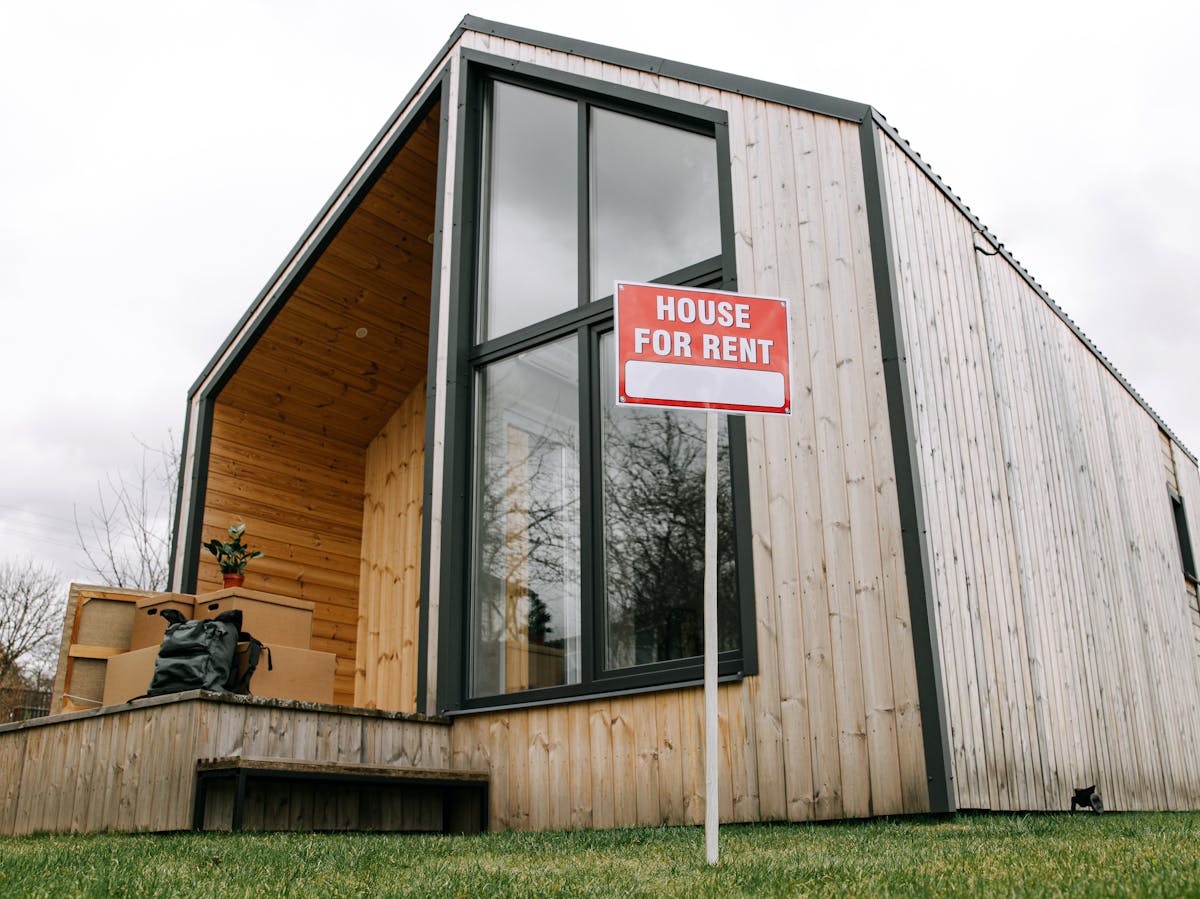
Due diligence is the unglamorous work that protects your limited capital. Before committing to any property, work through a checklist like this: verify rents and prices with comparable rentals and recent sales, not the seller’s projections; get a professional inspection, and budget for the repairs it uncovers; run a title search to catch liens, disputes, or ownership problems; quote insurance early, since flood zones and older roofs can make insurance shockingly expensive; check property tax history and HOA rules, fees, and rental restrictions; research local landlord-tenant law, because eviction timelines and security deposit rules vary enormously; review flood maps and crime data for the neighborhood; and verify every expense the seller claims, from taxes to utility costs.
On taxes: rental income is taxable income, and the rules around deductions, such as mortgage interest, depreciation, and repairs versus improvements, are detailed. The IRS publishes Publication 527, a free guide covering residential rental property income, expenses, and depreciation, which is worth reading before your first tax year as a landlord. When in doubt, talk to a CPA who works with real estate investors, because tax mistakes are expensive.
Your Step-by-Step Plan to Start Real Estate Investing With Little Money
Here is a realistic sequence, assuming you are starting from zero.
First, educate yourself for 60 to 90 days. Read books on rental investing, follow reputable free resources such as our guide on how to make money online for beginners, browse more ideas in our Business section, and attend local real estate meetups. Your goal: understand your market’s prices, rents, and laws cold.
Second, fix your financial foundations. Build (or rebuild) your credit score, create a budget that actually produces monthly savings, keep an emergency fund separate from investing money, and pay down high-interest debt. Lenders and partners both reward financial stability.
Third, pick one strategy. Do not dabble in wholesaling, REITs, and house hacking simultaneously. Choose the single approach from this guide that best fits your cash, skills, and local market.
Fourth, build your team early. A beginner-friendly real estate agent, a mortgage lender, a real estate attorney, a CPA, and a reliable contractor will save you from the costliest rookie mistakes.
Fifth, analyze at least 50 deals on paper. Run the numbers on listing after listing without making offers. This trains your judgment and teaches you what a genuinely good deal looks like in your market.
Sixth, start small, local, and boring. Your first deal should be conservative: a modest property, in a neighborhood you know, with numbers that work even if things go slightly wrong.
Seventh, track everything and keep learning. Log every expense, review your numbers quarterly, and keep studying. The investors who last are the ones who treat the first property as tuition, not a lottery ticket.
Frequently Asked Questions About Real Estate Investing With Little Money
Can I really start investing in real estate with no money at all? Strategies like wholesaling and partnering require little of your own capital, but “no money” really means substituting time, skill, or someone else’s money, plus taking on real risk. The most reliable beginner paths still need a few thousand dollars for inspections, earnest money, and reserves. Anyone who tells you capital never matters is selling something.
Is real estate better than stocks for a beginner with little money? It depends on what you want. REITs and index funds are simpler, more liquid, and require less of your time. Direct property ownership offers leverage and control but demands work, reserves, and local knowledge. Many beginners sensibly do both: simple investments while they learn, direct property later.
How long does it take to see returns? Think in years, not weeks. Rental wealth typically builds through a slow combination of cash flow, loan paydown, and long-term appreciation. Promises of fast, passive riches are marketing, not math.
Do I need a real estate license to invest? No, you do not need a license to buy investment property for yourself. Wholesaling rules vary by state, so check local regulations before assigning contracts.
The Bottom Line
Learning how to start real estate investing with little money is less about finding a magic loophole and more about stacking small advantages: education before action, the right low-capital strategy for your situation, conservative numbers, real cash reserves, and a willingness to start smaller than your ambitions. The investors who succeed on a tight budget share one trait: they treat their first deal as the beginning of an education, not the end of one.
Start with learning, pick one strategy, analyze relentlessly, and let time do the compounding. If you are new here, you can always start at our homepage and explore from there. And remember: this guide is educational, not financial advice. For decisions involving significant money, talk to qualified professionals, such as a lender, a CPA, and a real estate attorney, before you commit.

I’m Nova, a skilled AI content writer with 3 years of experience, specializing in heartfelt prayers, Bible messages, and uplifting spiritual content.