
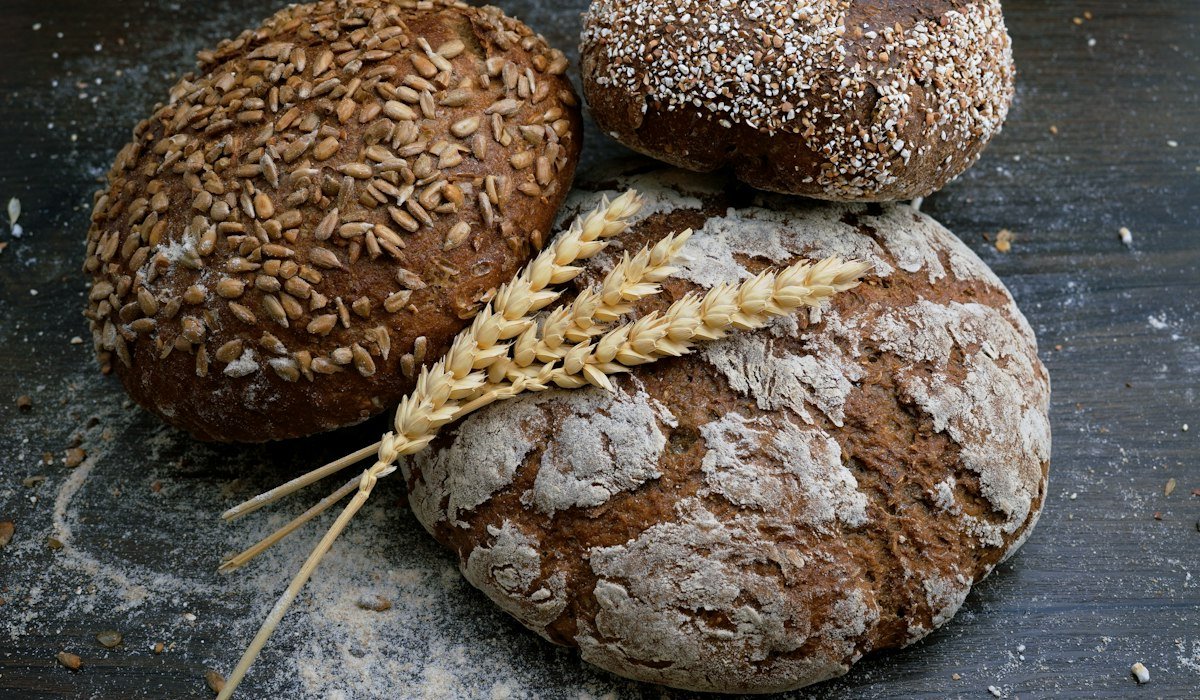
If you bake sourdough at home — or simply buy more of it than your household can finish in a weekend — you have probably watched a beautiful loaf turn leathery on the counter and asked yourself: can you freeze sourdough bread? Tucking a crackling, artisan-style loaf into the freezer next to the frozen peas can feel wrong, but the freezer is genuinely one of the best tools a sourdough lover has.
Freezing presses pause on staling and keeps bread near its peak for weeks or months, ready to thaw and refresh whenever you want toast, sandwiches, or a warm heel with butter. Done well, thawed sourdough comes back remarkably close to fresh-baked. Done carelessly, you get freezer burn, a limp crust, and a loaf nobody reaches for.
This guide covers the full picture: the short answer, whether to freeze your loaf whole or sliced, a step-by-step wrapping method, how long sourdough keeps in the freezer, how to thaw it and bring back the crackle, what changes in quality, and the mistakes that ruin good bread. It is general food information — practical, honest, and free of miracle claims.
The Short Answer: Can You Freeze Sourdough Bread?

Yes. You can freeze sourdough bread, and it freezes better than many soft sandwich breads. Sourdough’s lean dough — typically just flour, water, salt, and starter — has a sturdy structure and a thick crust that stand up well to freezing and thawing. Because homemade-style sourdough usually contains no preservatives, it stales faster than store-bought bread at room temperature, which makes the freezer an especially smart place for it.
The three things that matter most are simple: let the loaf cool completely before it goes in, wrap it so that virtually no air can reach the surface, and do not leave it in the freezer indefinitely. Get those right and a thawed loaf — especially one finished with a few minutes in a hot oven — can taste nearly as good as the day it was baked.
Freezing a Whole Sourdough Loaf vs. Slicing It First
The first decision is format. Both work, but they serve different needs, and the best choice depends on how you actually eat bread during the week.

Freezing a Whole Sourdough Loaf
Freezing the loaf whole protects the crumb best. With the interior sealed away from air, moisture loss is minimal, and the bread thaws with a texture closest to fresh. This is the right call when you want to serve the loaf for a meal — a dinner party, weekend guests, or a family that will polish off half a loaf at once. The trade-off is commitment: once thawed, the whole loaf starts staling again, so plan to use it within a day or two. A whole loaf also takes the longest to thaw, usually a few hours at room temperature.
Freezing Sliced Sourdough Bread
Slicing before freezing is the more practical option for most households. Individual slices thaw in 15 to 30 minutes at room temperature, and you can pull out exactly what you need — two slices for toast, four for sandwiches — without defrosting the rest. Slices also go straight from the freezer into the toaster, which is genuinely convenient on busy mornings. The downside is surface area: every cut face is an opportunity for moisture loss and freezer burn, so slices need careful wrapping and are best used within a month or two for top quality, though they remain safe to eat longer.
If your household eats bread a little at a time, slice first. If you regularly serve bread to a crowd, freeze the loaf whole. Either way, the wrapping method below is what makes or breaks the result.
How to Freeze Sourdough Bread Step by Step
Good freezing is mostly about keeping air away from the bread. Follow these steps and your sourdough will come out of the freezer in the best possible shape.
- Cool the loaf completely. Never wrap warm bread. A loaf that feels cool on the outside can still hold warmth inside, so give it several hours on a wire rack after baking — ideally until it reaches room temperature all the way through. Trapped steam turns into condensation and ice crystals, which damage texture and encourage mold once thawed.
- Decide on whole or sliced. Slice the loaf with a serrated bread knife if you want grab-and-go portions. For slices, you can place small squares of parchment paper between them so they do not stick together, though well-wrapped slices usually separate easily anyway.
- Wrap tightly in a first layer. Wrap the loaf or the stack of slices snugly in plastic wrap, pressing it against the surface to push out air pockets. Aluminum foil also works as a first layer. The goal is a skin-tight barrier with no loose air around the bread.
- Add a second, airtight layer. Slide the wrapped bread into a heavy-duty freezer bag and press out as much air as possible before sealing, or wrap it again in foil. Keeping air away from the surface is the single most important step — King Arthur Baking’s guide to freezing bread makes the same point, noting that professional bakers wrap in multiple airtight layers. If you own a vacuum sealer, it is an excellent option here; just stop the suction before it crushes the loaf.
- Label and date the package. Write the contents and the freezing date on the bag with a marker. Frozen loaves all look alike after a month, and the date tells you which to use first.
- Freeze it promptly and leave it alone. Place the package in a cold spot in the freezer, lying flat so the loaf keeps its shape, and avoid stacking heavy items on top. Freeze bread as soon as possible after it cools — the fresher it goes in, the better it comes out.
That is the whole method. No special equipment is required beyond wrap and a freezer bag — just thoroughness about excluding air.
How Long Does Sourdough Bread Last in the Freezer?
For best quality, plan to use frozen sourdough bread within three months. Whole loaves hold up a little longer than slices, but three months is a reliable rule of thumb for bread that will thaw and refresh beautifully.
Here is an important distinction: after three months the bread does not become unsafe — it gradually loses quality. The USDA’s Freezing and Food Safety guidance explains that frozen foods kept at 0°F remain safe indefinitely, and that recommended freezer storage times are about quality, not safety. In practice, bread kept too long develops freezer burn — dry, pale patches where air reached the surface — along with stale flavors and a drier crumb.
Your freezer’s habits matter too. A full, rarely opened freezer holds a steadier temperature than one opened ten times a day, and steady cold means better texture. Use the oldest packages first, and when in doubt, trust the date on the label rather than your memory.
How to Thaw and Refresh Frozen Sourdough Bread
Thawing is gentle work, and refreshing is where the magic happens. A few minutes of heat brings back the crusty exterior that makes sourdough so appealing.

How to Thaw Frozen Sourdough
The best method is also the simplest: leave the bread in its wrapping at room temperature until thawed. A whole loaf typically needs two to four hours; slices need 15 to 30 minutes. Keeping the wrapping on during thawing prevents condensation from settling on the crust and keeps moisture in the crumb where it belongs.
The microwave works in a pinch — wrap a slice in a slightly damp paper towel and heat it in short bursts — but it is not ideal. Microwaved bread tends to turn chewy and then tough as it cools, so save this trick for moments when you need a warm slice immediately. For the best result, thaw at room temperature and finish in the oven or toaster.
How to Refresh the Crust
Thawed sourdough is perfectly edible as is, but its crust will have softened. To bring back the crackle, heat your oven to 350°F (175°C) and warm the unwrapped loaf for 10 to 15 minutes. For an extra-crisp crust, lightly spritz or brush the outside with water before it goes in — the burst of steam crisps the exterior beautifully. Let the loaf cool for a few minutes before slicing so the crumb can set. Slices do not need the oven at all: toast them straight from frozen or after a quick counter thaw.
What Changes After Freezing? Quality to Expect
It helps to go in with honest expectations. Properly frozen and thawed sourdough is very good — but it is not identical to bread that never saw the freezer.
The most noticeable change is the crust, which softens during freezing and thawing. The oven refresh described above fixes this almost entirely. The crumb may be a touch drier than fresh, particularly in slices or in bread stored toward the longer end of the recommended time. Flavor holds up well; sourdough’s characteristic tang survives freezing without any noticeable loss.
Poorly wrapped bread tells a different story. Freezer burn shows up as dry, discolored patches with a stale taste, and no amount of oven time fully rescues it — though toasting and repurposing it for croutons, breadcrumbs, or French toast can still save the loaf from the bin. Also expect thawed bread to stale faster than fresh bread, so plan to eat it within a day or two of thawing.
Mistakes to Avoid When You Freeze Sourdough Bread
Most disappointing results come from a short list of avoidable errors:
- Freezing warm bread. Warmth creates steam, steam becomes ice, and ice damages the crumb. Always cool completely first.
- Wrapping too loosely. A single loose bag is not enough. Air is the enemy — use two snug layers and press out excess air.
- Freezing stale bread. The freezer preserves whatever state the bread goes in with; it does not reverse staling. Freeze bread at its peak, ideally the day it is baked or bought.
- Refreezing thawed bread. Technically safe if handled properly, but each freeze-thaw cycle degrades texture further. Freeze in portions so you only thaw what you will use.
- Skipping the label. Unlabeled frozen bread becomes a mystery parcel. Date everything so you can rotate your stock.
- Relying on the microwave. Fine occasionally, but routine microwaving gives you tough, chewy slices. Room-temperature thawing plus the toaster or oven is far better.
FAQs About Freezing Sourdough Bread
Can you freeze sourdough bread dough instead of baked bread?
Yes, though it is a different process with its own proofing math. Many bakers freeze shaped, unbaked dough and bake it later. But for most households, freezing the finished loaf is simpler and more forgiving, which is why this guide focuses on baked bread.
Does freezing ruin sourdough’s tangy flavor?
No. The mild acidity that gives sourdough its tang is stable through freezing and thawing. If anything tastes off about long-stored frozen bread, it is usually freezer burn or staleness from poor wrapping, not a loss of sourdough character.
Can you refreeze sourdough bread after thawing?
From a food-safety perspective, bread thawed at room temperature and handled cleanly can be refrozen, but the texture pays a price each time. A better approach is to freeze in the portions you will actually use — slices or half loaves — so refreezing never becomes necessary.
How do you freeze sourdough rolls, baguettes, or other shapes?
The same way: cool completely, wrap in two airtight layers, label, and freeze. Rolls and baguettes freeze beautifully because their high crust-to-crumb ratio refreshes so well in a hot oven. Slice baguettes in half if they are too long for your freezer bags.
Can you toast sourdough slices straight from the freezer?
Absolutely — this is one of the best things about freezing sliced bread. Frozen slices go directly into the toaster; just add a little extra time. There is no need to thaw them first, and the result is crisp, hot toast with minimal effort.
The Bottom Line
So, can you freeze sourdough bread? Without question — yes. Cool the loaf completely, wrap it in two airtight layers, label it with the date, and use it within about three months for the best quality. Thaw at room temperature and finish with a few minutes in a hot oven, and you will have bread with a crackling crust and a tender crumb whenever you want it.
The freezer turns sourdough from a race against the clock into a staple you can enjoy on your own schedule. Bake — or buy — with confidence, freeze the extra, and waste less of the good stuff. For more practical kitchen guides, visit the 45GoodRoastThatHurt homepage and browse the Food archive.

I’m Nova, a skilled AI content writer with 3 years of experience, specializing in heartfelt prayers, Bible messages, and uplifting spiritual content.