

If you bake sourdough, you know the routine: feed the starter, watch it rise, bake, repeat. But what happens when life gets busy, you go on vacation, or you simply need a break from the daily feeding schedule? The good news is that you can freeze sourdough starter, and it is one of the simplest ways to press pause on your baking without losing the culture you worked so hard to build. Freezing puts the wild yeast and bacteria into a dormant state, and with the right thawing and feeding routine, most starters bounce back within a few days. This guide, written for 45GoodRoastThatHurt readers, walks you through the short answer, what freezing does to your starter, a step-by-step freezing method, the best containers, how long frozen starter keeps, how to thaw and revive it, and answers to the most common questions.
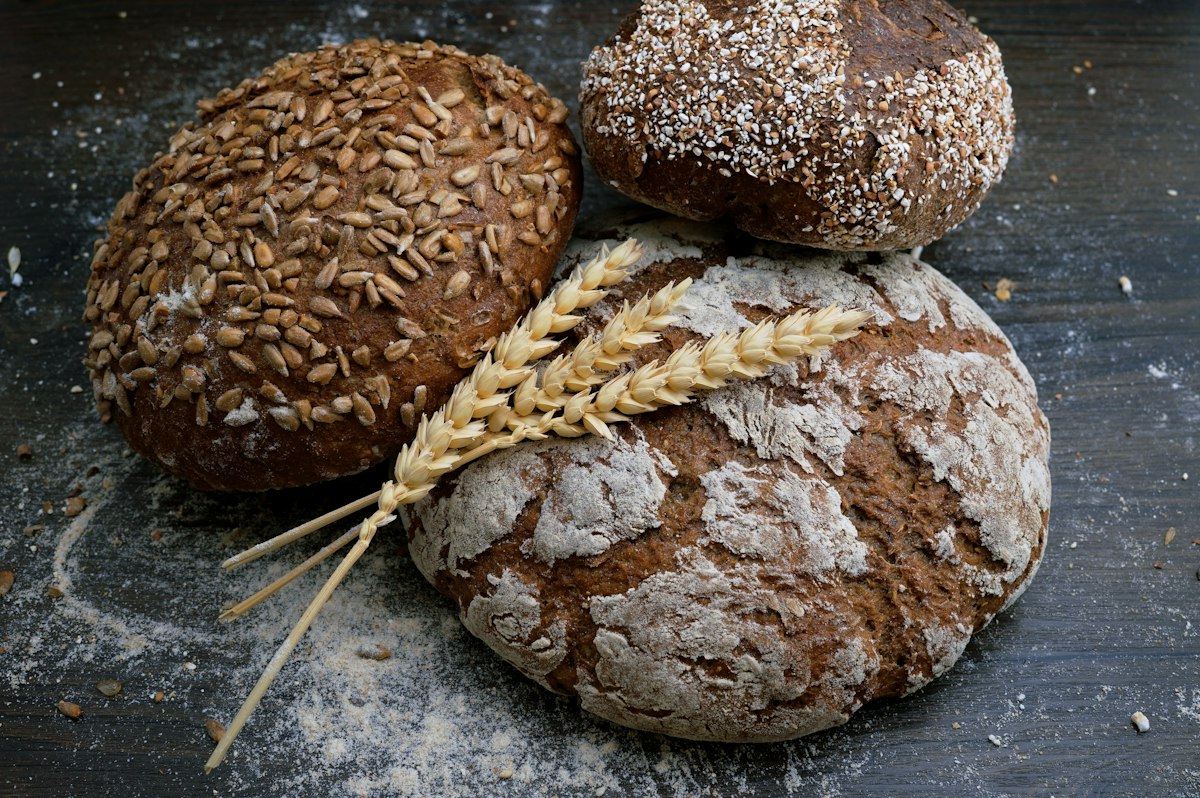
The Short Answer: Yes, You Can Freeze Sourdough Starter
Yes, you can freeze sourdough starter. A mature, healthy starter survives freezing remarkably well because the wild yeast and lactic acid bacteria at its heart simply go dormant in the cold rather than dying off entirely. When you thaw the starter and feed it a few times with fresh flour and water, the surviving microbes wake up, multiply, and restore the culture to full strength. Most bakers report that a revived starter is doubling predictably again within three to five days of regular feedings. Freezing is not a way to keep a starter ready to bake at a moment’s notice – you should always plan on a short reactivation period – but as a long-term backup or a way to take an extended break, it works beautifully. The keys are to freeze a mature starter at its peak, protect it from freezer burn with airtight packaging, and give it patient, consistent feedings after thawing.
What Happens to Sourdough Starter in the Freezer?
A sourdough starter is a living culture of wild yeast and lactic acid bacteria living in a paste of flour and water. At room temperature, these microbes are constantly eating starches and producing carbon dioxide and acids – that is what makes your starter bubble and rise. In the freezer, that activity grinds to a halt. The microbes enter a dormant state, much like they do in the refrigerator, only far more completely. Not every single cell survives the freeze: ice crystals can damage some cell walls, so the culture that thaws is a smaller, sleepier version of the one you froze. That is why a frozen starter needs several feedings to rebuild its population. The good news is that the survivors are enough to reestablish a vigorous colony, because yeast and bacteria multiply quickly once warmth and fresh food return. Freezing does not sterilize or reset your starter – it is still the same culture, just paused. For a broader look at how sourdough cultures behave under different storage conditions, King Arthur Baking’s complete sourdough guide is a trustworthy reference on starter science and maintenance.
Active Starter vs. Discard: What Freezes Best
For the best results, freeze an active starter rather than discard. An active starter is one that has been fed recently – within the past few hours – and has risen to its peak, bubbly and domed. At this stage the yeast population is at its highest and healthiest, which means more cells survive the freeze and the culture revives faster. Discard, the unfed portion you remove at feeding time, can technically be frozen too, but it contains a tired, hungry population with more acids and fewer vigorous yeast cells, so it revives more slowly and less reliably. If you do freeze discard, make sure it comes from a mature starter, and expect a longer reactivation period. One more rule: only freeze a mature starter, generally one that is at least a few weeks old and reliably doubles after feeding. A brand-new, still-developing starter does not have a stable enough microbial community to survive the stress of freezing, so give young starters more time before you bank them in the freezer.
How to Freeze Sourdough Starter, Step by Step
Freezing sourdough starter takes about ten minutes of hands-on time. The method below portions the starter into small pucks so you can thaw exactly what you need later.
Step 1: Feed your starter and wait for peak activity
Give your starter a normal feeding with fresh flour and water, then let it sit at room temperature until it has risen to its peak – bubbly, domed, and roughly doubled. This is usually four to eight hours after feeding, depending on your kitchen temperature. Freezing at peak activity gives you the strongest possible culture going into the cold.
Step 2: Portion the starter
Spoon the active starter into portions of about 50 grams each (roughly three to four tablespoons). Silicone muffin cups, a silicone ice cube tray, or small silicone tart molds all work well because the frozen pucks pop out easily. Portioning matters: small, separate pieces freeze faster and more evenly than one big block, and you can thaw a single portion without disturbing the rest.
Step 3: Freeze the portions solid
Set the filled molds on a small tray or baking sheet and place them in the freezer for three to four hours, or until the portions are frozen completely solid. A tray keeps the molds level and makes them easy to move.
Step 4: Bag, label, and store
Pop the frozen starter pucks out of the molds and transfer them immediately to a heavy-duty freezer bag or airtight freezer container. Press out as much air as you can before sealing – air is what causes freezer burn. Label the bag with the contents and the date, then return it to the freezer. Your starter is now banked and needs no feeding until you are ready to use it again.
Best Containers for Freezing Sourdough Starter
The container you choose affects how well your starter survives its time in the freezer. The goal is always the same: airtight, moisture-proof packaging with as little trapped air as possible.
- Heavy-duty freezer bags: The most popular option. They are cheap, flexible, and let you squeeze out nearly all the air. Double-bagging adds extra insurance against freezer burn.
- Silicone muffin cups or ice cube trays: Ideal for the initial freeze, since portions release cleanly. They are not storage containers on their own – always transfer the frozen pucks to a bag or rigid container afterward.
- Small rigid freezer containers: Glass or BPA-free plastic containers with tight lids work well, especially for a single larger portion. Leave a little headspace, since the starter may expand slightly as it freezes.
- What to avoid: Thin sandwich bags, containers with loose lids, and anything that is not labeled. Unlabeled mystery pucks have a way of lingering in freezers far past their prime.
How Long Does Frozen Sourdough Starter Keep?
Frozen sourdough starter keeps well for up to 12 months in a standard home freezer. Many bakers have successfully revived frozen starter even longer, but viability gradually declines the longer it sits, and the risk of freezer burn and off flavors rises. A practical habit is to refresh your frozen backup once a year: thaw a puck, feed it back to full strength, and freeze a fresh batch from the revived culture. Keep your freezer at a steady 0 degrees F (-18 degrees C) or below, avoid storing the starter in the freezer door where temperatures fluctuate, and always check the date on the label before you plan a bake around a very old portion.
How to Thaw and Revive Frozen Sourdough Starter

Reviving a frozen starter is straightforward, but it rewards patience. Do not expect to thaw it in the morning and bake by dinner – plan on three to five days of feeding first.
Day 1: Thaw gently
Place one frozen portion (about 50 grams) in a clean glass jar. Cover the jar loosely with a breathable lid, coffee filter, or clean tea towel secured with a rubber band, and leave it at warm room temperature for about 12 hours, or until completely thawed. Do not microwave it or use hot water – rapid, uneven heating can kill the very microbes you are trying to save.
Day 2: First feeding
Once thawed, feed the starter equal weights of flour and lukewarm water. For a 50-gram portion, that means 50 grams of flour and 50 grams of water. Stir well, cover loosely, and leave it at room temperature for 12 to 24 hours. You may see only a few bubbles at this stage – that is normal.
Days 3 to 5: Discard and repeat
Discard roughly half the starter, then feed the remainder equal weights of flour and water again. Repeat this discard-and-feed cycle every 12 to 24 hours. With each feeding the culture should look livelier: more bubbles, a pleasantly tangy smell, and a faster rise.
Signs your starter survived the freeze
Your revived starter is ready to bake with when it reliably doubles in size within four to twelve hours of feeding, shows bubbles throughout and on the surface, and smells pleasantly sour and yeasty rather than sharply chemical. The classic float test – a small spoonful dropped in water should float – can confirm it is trapping enough gas to leaven bread. If your starter reaches these milestones, it is officially back. Farmhouse on Boone’s freezing guide walks through a similar revival timeline with helpful photos if you want a second reference.
Signs Your Frozen Starter Did Not Survive (and What to Do)
Sometimes, despite your best efforts, a starter does not come back. After five to seven days of consistent twice-daily feedings at warm room temperature, a starter that shows no bubbles, no rise, and no pleasant sour aroma – or one that smells strongly of nail polish remover and never improves – has likely lost too much of its microbial population. Pink or orange streaks, or any fuzzy mold, mean the starter should be discarded outright; those colors signal contamination, not a sleepy culture. The fix is simple: thaw another frozen portion and start the revival again, since freezing in portions gives you multiple chances. If every portion fails, you can rebuild from scratch or get a fresh starter from a fellow baker. For a second walkthrough of the whole freeze-and-revive process, The Pantry Mama’s guide to freezing sourdough starter is another reliable reference worth bookmarking.
Can You Freeze Sourdough Starter? FAQs
Can you freeze sourdough starter discard?
Yes, you can freeze sourdough discard, but an active, recently fed starter freezes and revives better. Discard from a mature starter will still work – expect it to need a few extra feedings to regain full strength. Discard from a very young starter is best used in discard recipes right away rather than frozen.
At what stage should you freeze sourdough starter?
Freeze your starter when it is mature – at least several weeks old and reliably doubling after feedings – and at peak activity, a few hours after a fresh feeding when it is bubbly and domed. Freezing a starter that has already fallen flat or gone hungry gives you a weaker culture to revive.
Can you freeze sourdough starter in a glass jar?
You can, but freeze it in small portions in freezer-safe containers with headspace, and avoid sudden temperature shocks that can crack glass. Many bakers prefer portioning into silicone molds first and then transferring the frozen pucks to a freezer bag, which saves space and avoids thermal-shock worries entirely.
Can you refreeze sourdough starter?
It is best not to refreeze a thawed starter until it has been fed back to full, vigorous activity first. Each freeze-thaw cycle kills off a portion of the microbes, so refreezing a weakened culture compounds the losses. Revive it fully, then freeze a fresh batch from the strong culture.
Is freezing or drying better for long-term starter storage?
Both work. Freezing is quicker and simpler, and frozen starter keeps well for up to about 12 months. Drying takes more effort up front but the flakes keep for years at room temperature and survive mailing easily. Many bakers keep both: a frozen backup for convenience and a dried backup for the long haul.
Can you bake bread directly from a thawed starter?
Not right away. A just-thawed starter is too weak to leaven bread reliably. Feed it for several days until it doubles predictably within four to twelve hours of feeding, and only then use it for baking. For more Food guides like this one, browse the Food category archive.
Conclusion
So, can you freeze sourdough starter? Absolutely – it is one of the easiest insurance policies in baking. Freeze a mature, peak-activity starter in small, well-labeled, airtight portions; keep them for up to a year; and when you are ready to bake again, thaw gently and feed patiently for a few days. Your starter will reward you by coming back to life, ready to leaven your next loaf. Whether you are taking a long vacation, stepping back from daily baking, or simply want a backup against accidents, the freezer has you covered – no daily feedings required.

I’m Nova, a skilled AI content writer with 3 years of experience, specializing in heartfelt prayers, Bible messages, and uplifting spiritual content.