
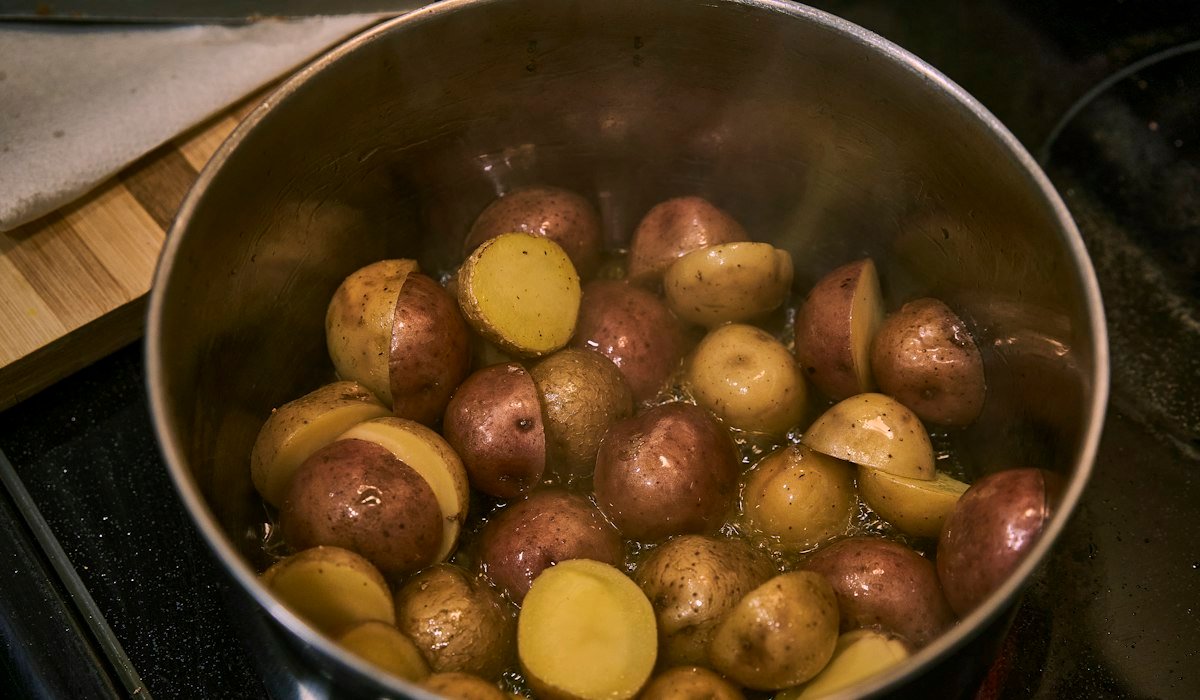
Learning how to cook potatoes on the stove is one of the most useful kitchen skills you can build. Potatoes are affordable, filling, and endlessly adaptable, and the stovetop gives you precise control over heat in a way that makes boiling, pan-frying, and mashing straightforward for cooks of any level. Whether you want fluffy boiled potatoes for a weeknight side, golden crispy skillet potatoes for breakfast, or creamy mashed potatoes for a holiday table, everything starts with the same basic equipment: a burner, a pot, or pan, and a little know-how.
In this guide, you will learn how to cook potatoes on the stove using three reliable methods (boiling, pan-frying, and mashing) along with how to choose the right potato, how to tell when potatoes are done, seasoning ideas, storage and reheating tips, common mistakes to avoid, and answers to the questions home cooks ask most often.
Choosing the Right Potatoes for Stovetop Cooking
Not all potatoes behave the same way in a pot or skillet. The single most important choice you make when learning how to cook potatoes on the stove is which type of potato to buy, because starch content determines whether a potato holds its shape, turns fluffy, or crisps up.
Waxy vs. Starchy Potatoes
Potatoes fall on a spectrum from waxy to starchy. Waxy potatoes, such as red potatoes and fingerlings, are lower in starch and higher in moisture. They hold their shape well when boiled and slice cleanly, which makes them ideal for boiling and pan-frying when you want distinct pieces. Starchy potatoes, such as russets (also called Idaho potatoes), are higher in starch and lower in moisture. They break down more easily, turning fluffy and light, perfect for mashing, though they can fall apart if boiled too long. All-purpose potatoes like Yukon Gold sit in the middle and work well across all three stovetop methods, which makes them a great default choice if you only want to buy one bag.
Best Varieties for Each Stovetop Method
For boiling, choose waxy or all-purpose potatoes: red potatoes, fingerlings, new potatoes, or Yukon Golds. For pan-frying or sautéing, waxy potatoes give you the crispiest edges and the creamiest centers; Yukon Golds are a strong all-rounder here too. For mashing on the stove, starchy russets produce the fluffiest mash, while Yukon Golds produce a naturally buttery, slightly denser mash. Avoid using very starchy russets for long boiling when you need intact pieces, since they are more likely to crumble.
Freshness and Sizing Tips
Pick potatoes that feel firm and heavy for their size, with smooth, unblemished skin. Avoid potatoes with green patches, sprouts, or soft spots. Trim small blemishes away, and discard any potato that is shriveled or smells off. Aim for potatoes of similar size so they cook at the same rate, and cut larger potatoes into even pieces so everything finishes together. For more on selecting and storing potatoes, see the Ohio State University Extension guide to selecting, storing, and serving potatoes. Uniform pieces are the quiet secret behind evenly cooked stovetop potatoes.
How to Boil Potatoes on the Stove: Step-by-Step
Boiling is the foundation of stovetop potato cookery. It is simple, forgiving, and the starting point for potato salads, mashed potatoes, and countless side dishes.

What You’ll Need
- Potatoes (about 2 pounds / 900 g, enough for four as a side)
- A large pot with a lid
- Cold water
- Salt (about 1 tablespoon per 2 quarts of water)
- A colander and a fork or skewer for testing
Step-by-Step Instructions
- Prep the potatoes. Scrub them well under running water. Peel if you like, or leave the skins on for extra texture and nutrients. Cut into even chunks: halves or quarters for medium potatoes, roughly 1 to 1½-inch pieces for large ones.
- Start with cold water. Place the potatoes in the pot and add enough cold water to cover them by about an inch. Starting cold lets the potatoes heat gradually so the outsides and centers cook evenly.
- Salt the water. Add salt before the water heats. Salting the cooking water seasons the potatoes from the inside out, which makes a noticeable difference in flavor.
- Bring to a boil, then reduce. Set the pot over high heat and bring to a full boil, then lower the heat to maintain a steady, gentle boil. A violent rolling boil batters the potatoes and can break them apart.
- Cook until tender. Simmer until a fork or skewer slides into the center of the largest piece with little resistance. Timing depends on size and variety (see below).
- Drain well. Pour the potatoes into a colander and let them steam-dry for a minute or two. Returning them to the hot, empty pot for 30–60 seconds drives off extra moisture and improves texture.
How Long to Boil Potatoes
Whole small or new potatoes typically take 15–20 minutes; 1 to 1½-inch chunks usually take 10–15 minutes; large whole russets can take 25–30 minutes. These are guidelines, not rules. Always test with a fork, because variety, size, and starting temperature all affect timing. When the fork meets almost no resistance in the thickest piece, they are done.
How to Pan-Fry Potatoes on the Stove: Step-by-Step
Pan-frying (also called sautéing when the pieces are small and the pan is hot) produces potatoes with crisp, golden edges and tender centers. It takes a little more attention than boiling, but the payoff is a side dish people ask for by name.

What You’ll Need
- Waxy or all-purpose potatoes (about 2 pounds / 900 g)
- A large heavy skillet (cast iron or stainless steel works best)
- Neutral oil with a high smoke point, butter, or a mix of both
- Salt, pepper, and any seasonings you like
- A thin spatula for turning
Step-by-Step Instructions
- Cut evenly. Slice potatoes into ¼ to ½-inch rounds, half-moons, or ½-inch cubes. Even thickness matters even more here than in boiling, because every piece needs the same contact with the hot pan.
- Optional: parboil first. For extra-creamy centers, simmer the cut potatoes in salted water for 5–7 minutes until just starting to soften, then drain and steam-dry thoroughly. Dry surfaces brown far better than wet ones.
- Heat the pan and fat. Set the skillet over medium-high heat, add enough oil to coat the bottom (about 2–3 tablespoons), and let it shimmer. If using butter, add it with the oil so the milk solids are less likely to burn.
- Add potatoes in a single layer. Lay the pieces cut-side down without crowding. Crowding traps steam and prevents browning, so cook in batches if needed.
- Let them brown undisturbed. Resist the urge to stir constantly. Let each side cook 4–6 minutes until deep golden before turning with the spatula. Total cooking time is usually 15–25 minutes depending on thickness.
- Season at the end. Sprinkle with salt, pepper, and herbs once crisp. Seasoning late keeps salt from drawing out moisture too early, which can soften the crust.
Tips for Extra-Crispy Skillet Potatoes
Three things make the biggest difference: dry potato surfaces, a properly preheated pan, and patience. Pat parboiled or rinsed potatoes very dry before they hit the oil. Make sure the oil is hot enough to sizzle on contact. And give each side time to develop color before you turn the pieces — constant flipping is the most common reason pan-fried potatoes steam instead of crisp.
How to Mash Potatoes on the Stove
Mashed potatoes are simply boiled potatoes taken one step further. Everything happens on the stovetop: boil, drain, then mash right in the warm pot.

Step-by-Step Instructions
- Boil as above. Peel (for the smoothest mash) and cut starchy or all-purpose potatoes into even chunks. Cover with cold salted water and simmer until completely tender. A fork should break a piece apart with no effort.
- Drain and dry. Drain thoroughly, then return the potatoes to the hot pot over low heat for a minute, shaking gently, to evaporate surface moisture. Drier potatoes absorb butter and milk better.
- Warm the dairy. Heat butter and milk or cream in a small saucepan until warm. Cold dairy cools the potatoes and can make the mash gummy.
- Mash. Mash with a potato masher or press through a ricer for the smoothest result. Add the warm butter first and mix, then add warm milk gradually until you reach your preferred consistency.
- Season and serve. Season with salt and pepper, taste, and adjust. Serve immediately while hot and fluffy.
Tips for Creamy, Lump-Free Mashed Potatoes
Use a ricer or food mill for the smoothest texture, and never use a blender or food processor, as high-speed blades overwork the starch and turn potatoes gluey. Mash while the potatoes are hot, add liquids gradually, and stop as soon as the texture is right; over-mixing is the fastest route to a pasty mash.
How to Tell When Potatoes Are Done
The most reliable test for any stovetop method is the fork test: pierce the thickest piece with a fork or thin skewer. Boiled potatoes are done when the utensil slides in and out with almost no resistance. Pan-fried potatoes are done when they are deep golden and crisp on the outside and a knife meets no hard core in the center. Potatoes destined for mashing are done when a piece falls apart at the touch of a fork. If you are unsure, taste one. The center should be uniformly tender with no crunch or chalkiness.
Seasoning Ideas for Stovetop Potatoes
Potatoes are a blank canvas. Classic combinations include salt, black pepper, and butter; garlic and rosemary; smoked paprika and olive oil; or dill and sour cream for boiled new potatoes. Fresh herbs (parsley, chives, thyme, rosemary) lift any preparation, and a squeeze of lemon or a splash of vinegar brightens boiled potatoes beautifully. For heat, try cayenne, chili flakes, or a Cajun-style blend on pan-fried potatoes. Add delicate fresh herbs after cooking so they stay vibrant, and taste before adding more salt, especially if you salted the cooking water.
Serving Ideas
Boiled potatoes pair well with roasted meats, grilled fish, or a simple green salad, and they are the base for classic potato salad once cooled. Pan-fried potatoes shine at breakfast alongside eggs, in a hash with peppers and onions, or as a hearty side for weeknight dinners. Mashed potatoes belong next to anything with gravy or sauce to soak up. For more kitchen-tested inspiration, browse the Food archive, or return to the homepage to see the latest posts.
How to Store and Reheat Leftover Potatoes
Cool leftover potatoes within two hours and refrigerate them in an airtight container; they keep for 3–4 days. Boiled and mashed potatoes reheat well: warm mashed potatoes gently on the stove over low heat with a splash of milk, stirring often, and reheat boiled potatoes in a covered skillet or in simmering water. Pan-fried potatoes regain the most crispness reheated in a hot skillet with a little oil rather than the microwave, which softens their crust. For official guidance on refrigerating cooked foods safely, see the FoodSafety.gov food safety charts.
Common Mistakes to Avoid When Cooking Potatoes on the Stove
- Starting in boiling water. Dropping potatoes into already-boiling water cooks the outsides before the centers catch up. Always start in cold water for boiling.
- Skipping the salt. Unsalted cooking water produces bland potatoes that no amount of surface seasoning fully fixes.
- Crowding the pan. Too many pieces at once means steaming instead of browning. Cook in batches.
- Stirring pan-fried potatoes too often. Let each side brown before turning.
- Using a food processor for mashing. It overworks starch and makes gluey potatoes.
- Adding cold dairy to mashed potatoes. Warm it first for a smoother, hotter mash.
Frequently Asked Questions About Cooking Potatoes on the Stove
Should I peel potatoes before cooking them on the stove?
It depends on the dish. Leave skins on for rustic boiled or pan-fried potatoes (the skins add texture and nutrients), and peel for the smoothest mashed potatoes. Either way, scrub the potatoes well first.
Can I cook potatoes on the stove without oil?
Yes, boiling and mashing need no added fat at all. Pan-frying requires some fat for browning and to prevent sticking; a well-seasoned cast-iron skillet lets you use less.
Why are my boiled potatoes falling apart?
Usually the variety is very starchy, the pieces are cut too small, or they were cooked too long at too hard a boil. Choose waxy potatoes for intact boiled pieces, keep the boil gentle, and start checking early.
How do I keep pan-fried potatoes from sticking?
Preheat the pan fully, use enough fat, make sure the potato surfaces are dry, and let a crust form before turning. A well-seasoned cast-iron or quality nonstick skillet helps considerably.
Can I prepare stovetop potatoes ahead of time?
Yes, you can boil potatoes a day ahead and refrigerate them; finish by pan-frying or reheating. Mashed potatoes can be made a few hours ahead and kept warm gently or refrigerated and reheated on the stove with a little extra milk.
Conclusion
Once you know how to cook potatoes on the stove, a bag of potatoes becomes one of the most versatile ingredients in your kitchen. Boil them for tender, clean-flavored sides; pan-fry them for golden, crispy comfort; mash them for pure coziness. Choose the right variety, cut evenly, salt the water, control your heat, and test for doneness; the rest is practice and personal taste. Pick a method, put a pot on the burner, and make tonight a potato night.

I’m Nova, a skilled AI content writer with 3 years of experience, specializing in heartfelt prayers, Bible messages, and uplifting spiritual content.